Sauna health benefits are most noticeable when you make sauna use part of your regular wellness routine. You're not likely to experience the full benefits after just one session. Like exercise, many of the positive effects come from consistent sauna use over time.
In this guide, we'll explore what current research says about sauna health benefits, what regular sauna users commonly experience, and how choosing the right home sauna can make it easier to enjoy these benefits for years to come.
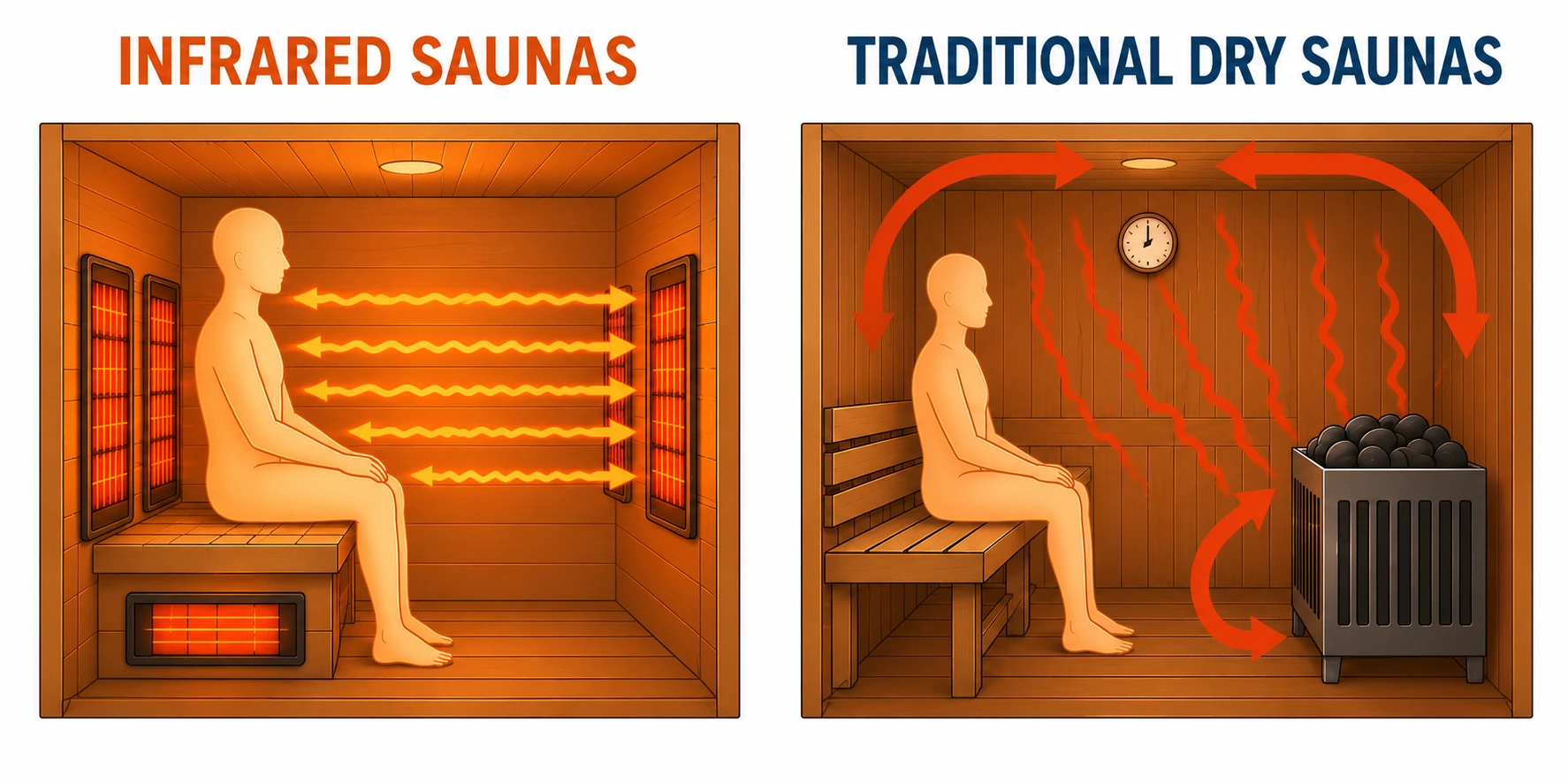
Infrared saunas warm your body directly using infrared light, while traditional dry saunas heat the air first, allowing the hot air to warm your body through convection.
Key Takeaways
Regular sauna use may support relaxation, stress reduction, cardiovascular health, muscle recovery, and overall well-being.
Consistency matters more than intensity. Research suggests people who use a sauna several times a week may experience greater long-term health benefits than those who use it only occasionally.
Sauna use should support healthy habits such as exercise, sleep, hydration, good nutrition, and appropriate medical care—not replace them.
A comfortable, well-designed sauna can make it easier to follow a regular routine. Ventilation, bench height, heater placement, lighting, and room layout all affect the experience.
How Saunas Affect the Body: Heat Exposure and Core Responses
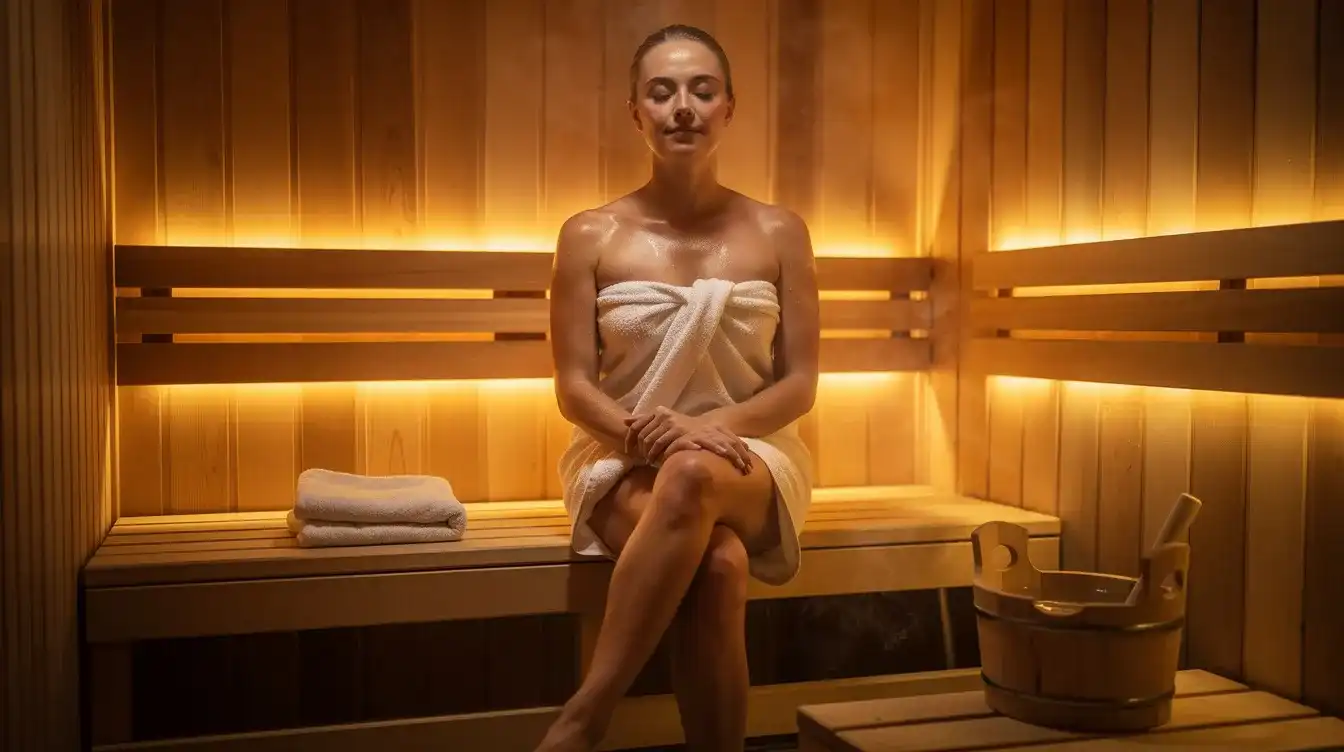
When you sit in a sauna, your body temperature rises, your heart rate increases, and sweating begins as your body’s cooling mechanisms activate. This is the foundation of passive heat therapy: the body responds to heat exposure without having to actively exercise. Sauna bathing can induce physiological responses similar to those produced by moderate to high-intensity physical activity, which may enhance overall health and wellness.
Traditional Finnish saunas often operate around 80–100°C / 176–212°F with dry air and occasional steam created by ladling water over hot stones. This produces a classic Finnish sauna experience: intense heat, dry air, and brief bursts of wet heat. An infrared sauna usually runs cooler, often around 45–60°C / 113–140°F, using radiant energy to warm the body more directly and create a gentler deep heat sensation.
Infrared saunas warm your body directly using infrared light, while traditional dry saunas heat the air first, allowing the hot air to warm your body through convection.
Infrared Saunas
Traditional Dry Saunas
Temperature
120°F - 140°F Lower ambient air temperature
160°F - 195°F Higher ambient air temperature
Heat Approach
Heats the body directly (penetrates skin up to ~1.5 inches)
Heats the air first, then the body
Sweating
Promotes deeper sweating at lower temperatures
Sweating occurs at higher temperatures
Session Length
30 - 45 minutes Typical session length
15 - 30 minutes Typical session length
Energy Use
Uses less energy (heats the body, not the whole room)
Uses more energy (heats the entire room)
Best For
Gentler Heat Great for those sensitive to high heat; supports relaxation, detox, recovery & pain relief.
Traditional Experience Authentic sauna feel; ideal for those who enjoy intense heat and steam (with added water).
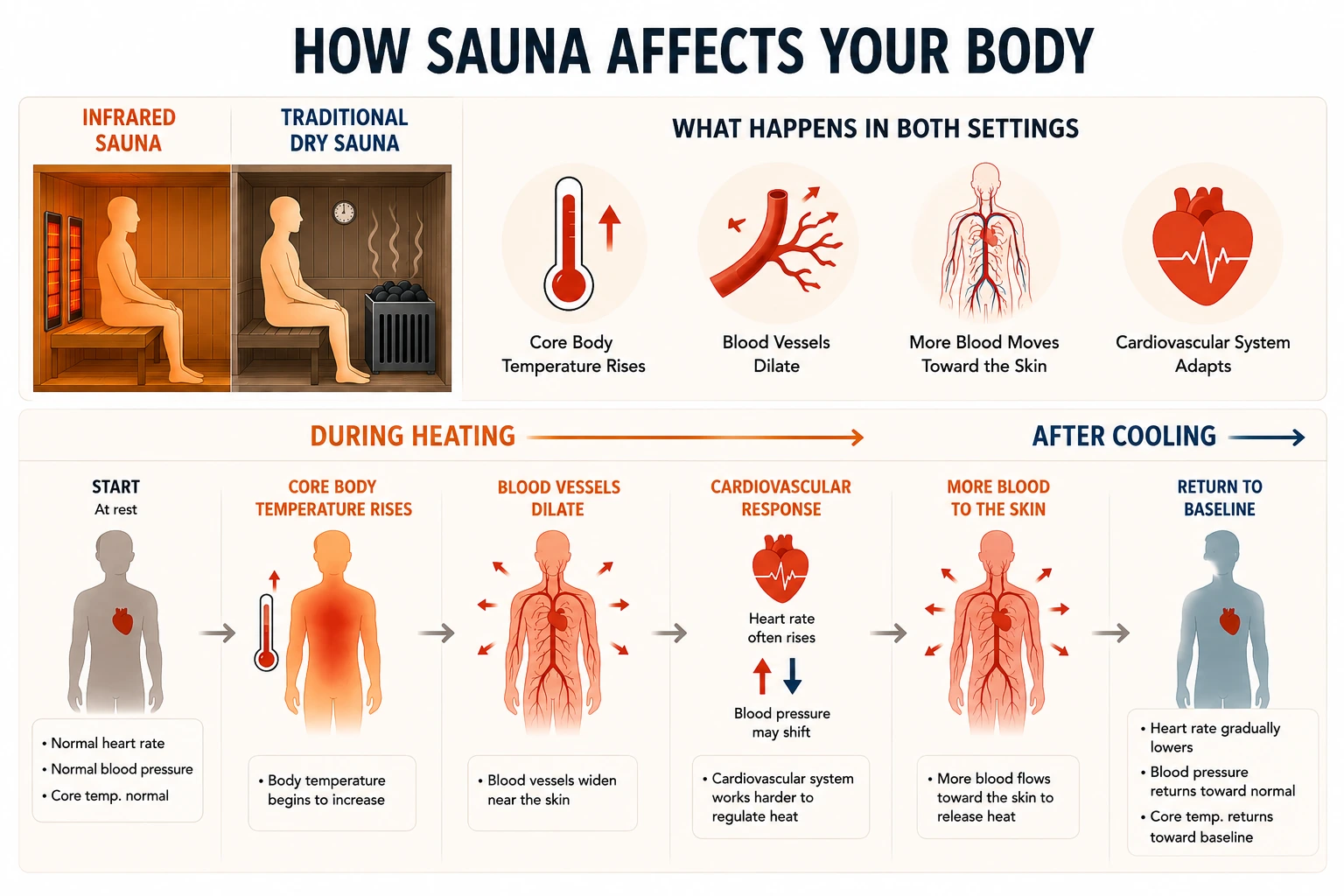
In both settings, core body temperature rises, blood vessels dilate, and the cardiovascular system adapts by moving more blood toward the skin. During heating, heart rate often rises and blood pressure may shift. After cooling, the body gradually returns toward baseline. This is one reason the effects of sauna are often compared with light-to-moderate exercise, though sauna use is not a substitute for movement.
Both infrared and traditional dry saunas produce many of the same physiological responses. As your core body temperature rises, blood vessels dilate, heart rate increases, and more blood is directed toward the skin. After cooling, these changes gradually return toward baseline.
Common responses during and after a sauna session
A warm, loose feeling in the muscles
Heavy sweating and a flushed skin appearance
A sense of physical ease after cooling down
A calmer breathing pattern
A quieter mental state
Sweating is primarily the body’s cooling response. It may also support skin health by helping remove impurities and dead skin cells from the skin's surface, though it should not be framed as a cure or a dramatic detox process. Adequate hydration is important before and after sauna sessions to compensate for lost fluids.
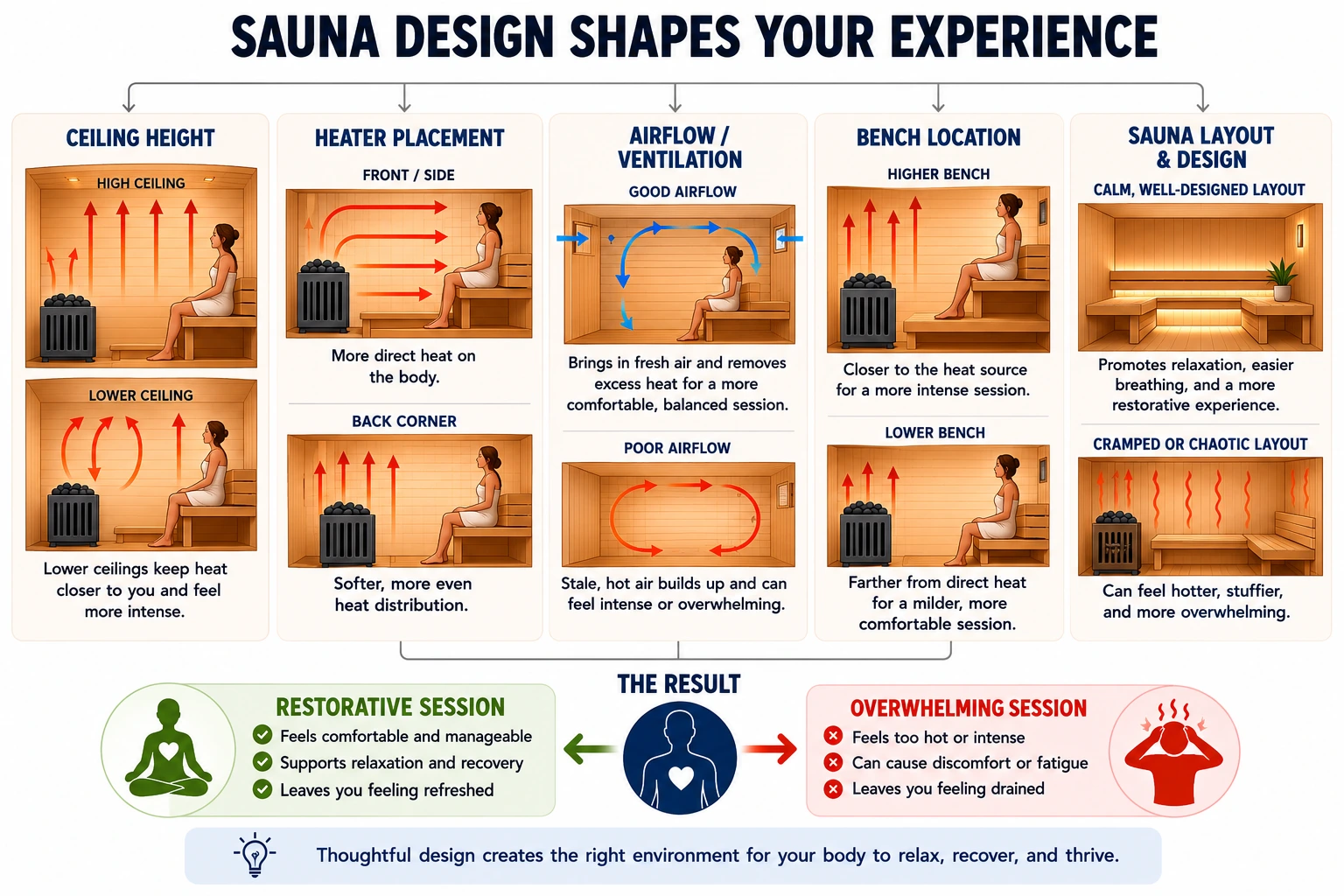
In our experience designing custom saunas, the way a sauna affects the body is shaped by more than the heater setting. Ceiling height, heater placement, airflow, and bench location can change how intense the heat feels. A slightly lower bench, better ventilation, or a calmer layout can make the difference between a session that feels restorative and one that feels overwhelming.
Small design decisions can make a big difference. Proper ventilation, bench placement, ceiling height, and heater location work together to create a more comfortable and enjoyable sauna experience.
Cardiovascular Health, Blood Pressure, and Heart Function
Many of the best-studied benefits of sauna bathing involve cardiovascular health. Heat therapy places a mild, controlled demand on the cardiovascular system: heart rate rises, blood vessels dilate, and circulation shifts toward the skin. Over time, regular sauna bathing has been linked to improvements in blood pressure, cholesterol levels, arterial stiffness, and other markers of cardiometabolic health.
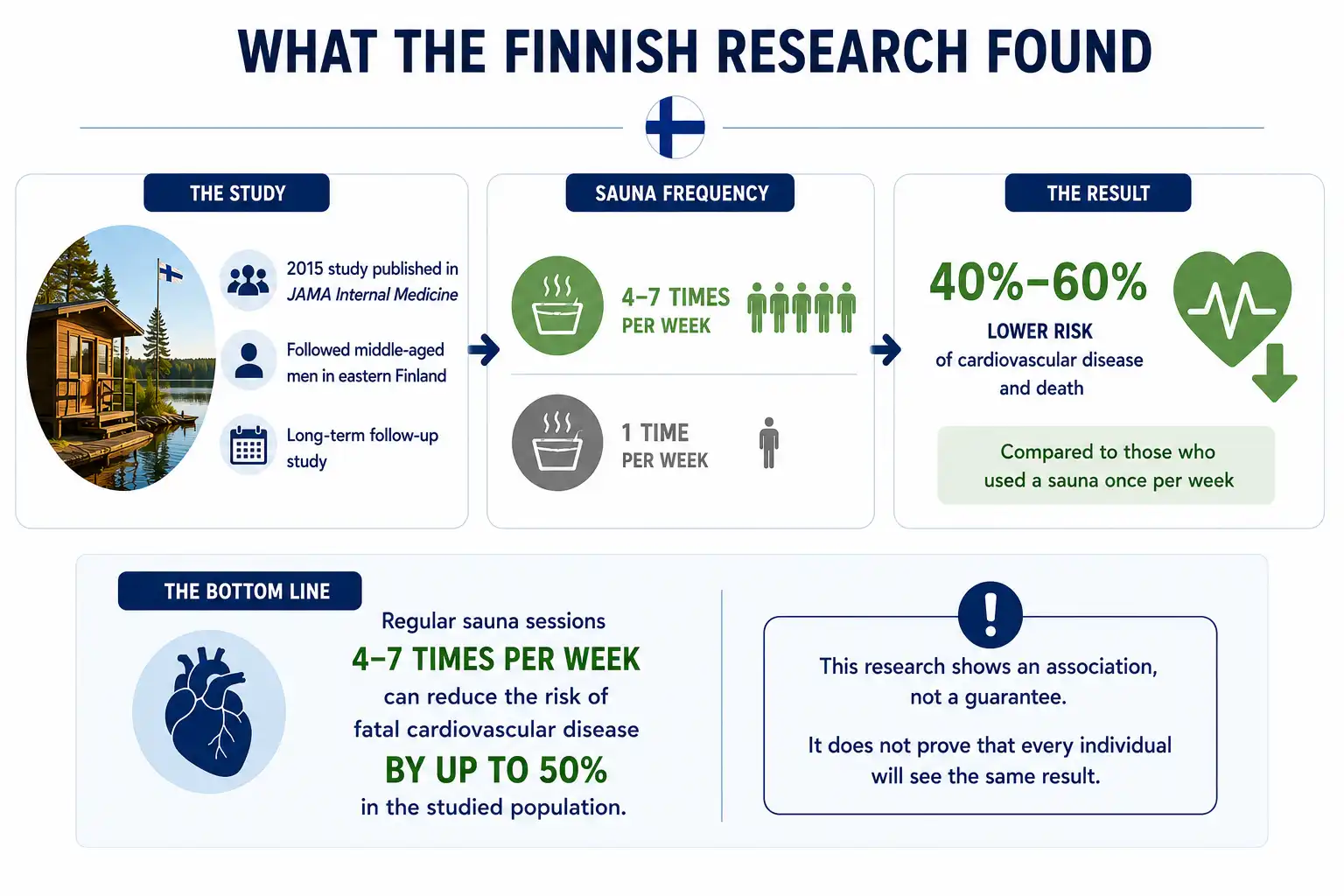
A major reason sauna use receives attention in public health discussions is the Finnish research. A 2015 study published in JAMA Internal Medicine followed middle-aged men in eastern Finland and found that using a sauna four to seven times per week was associated with a 40% to 60% lower risk of cardiovascular disease and death compared to those who only used it once a week. The same body of research is often summarized this way: regular sauna sessions 4 to 7 times per week can reduce the risk of fatal cardiovascular disease by up to 50% in the studied population, though this does not prove that every individual will see the same result.
Researchers followed middle-aged men in eastern Finland for many years and found that more frequent sauna use was associated with a lower risk of cardiovascular disease and death. As with all observational studies, the results demonstrate an association rather than causation.
The Finnish data also linked frequent sauna bathing with a lower risk of sudden cardiac death, fatal coronary heart disease, fatal cardiovascular outcomes, all-cause mortality, and all-cause mortality events. Researchers adjusted for other risk factors such as age, smoking, cholesterol, physical activity, and cardiorespiratory fitness, but the studies remain observational. That means sauna bathers may also have other lifestyle habits that contribute to reduced risk.
Possible heart health mechanisms
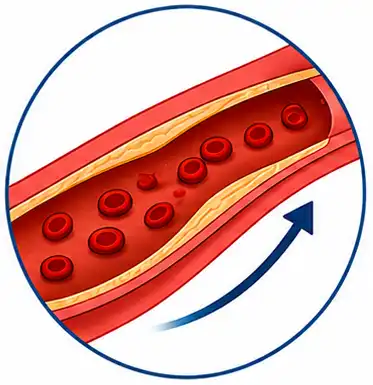
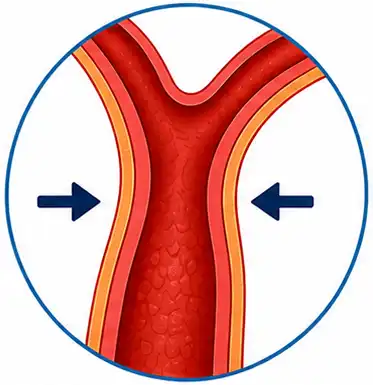
Improved endothelial function, which helps blood vessels respond more flexibly
Reduced arterial stiffness
Lowered blood pressure in some regular users
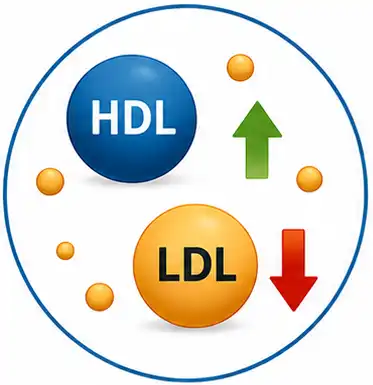
Beneficial changes in circulating lipid profiles
Reduced systemic inflammation and oxidative stress
Regular sauna bathing is associated with lower levels of inflammatory markers, including high-sensitivity C-reactive protein, fibrinogen, and leukocytes. Studies have shown that frequent sauna use can lower levels of inflammatory markers, potentially contributing to overall health benefits. Heat shock proteins released during sauna sessions may help combat reactive oxygen species, which can trigger inflammation.
There is also growing interest in how sauna bathing may affect vascular and nonvascular diseases more broadly. Still, anyone with heart disease, heart failure, chronic heart failure, severe aortic stenosis, unstable angina, recent cardiac events, rhythm disorders, or uncontrolled high blood pressure should speak with a clinician before beginning frequent sauna bathing. The same caution applies to people with low blood pressure or symptoms of dizziness.
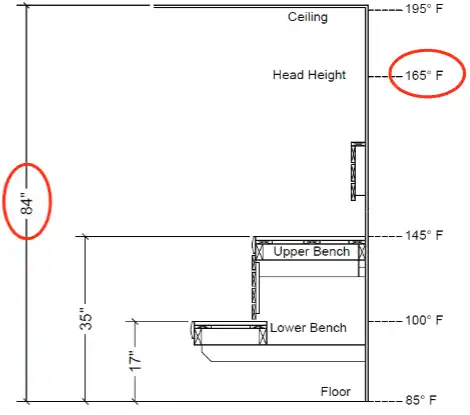
7-Foot Ceiling Design
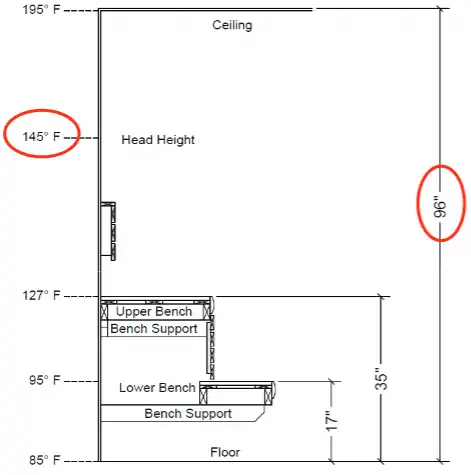
8-Foot Ceiling Design
From a design standpoint, we usually plan bench heights, heater output, and ventilation so users can choose milder or hotter zones. This matters for comfort and blood pressure tolerance. A sauna with only one intense seating position may discourage regular sauna use, while layered benches let people adjust their exposure without ending the session too early.
Brain Health, Dementia, and Alzheimer’s Disease
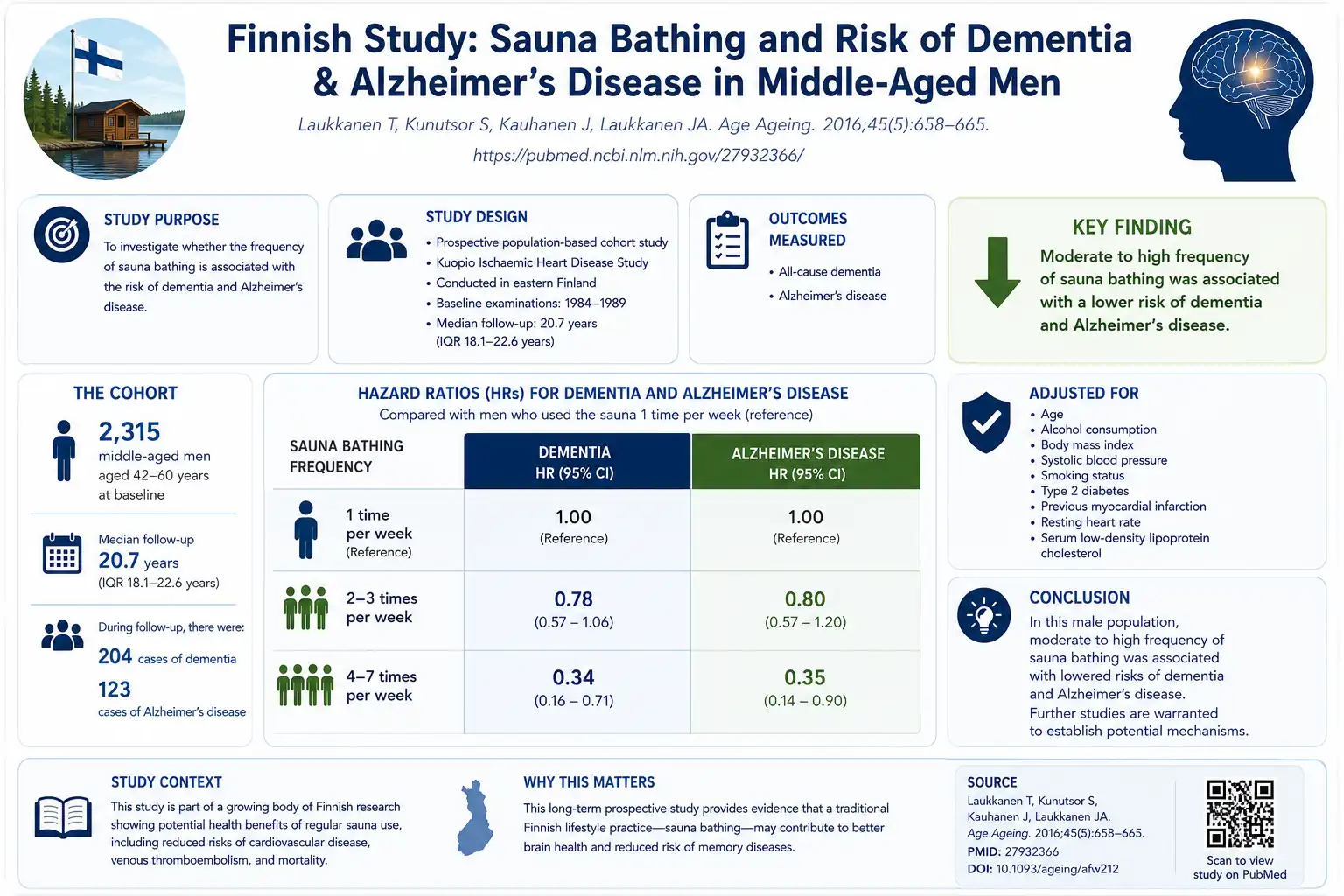
There is growing interest in the relationship between sauna use and long-term brain health, especially dementia and Alzheimer’s disease. In research from Finland, frequent sauna bathing has been associated with significantly lower rates of neurodegenerative conditions such as Alzheimer’s disease.
One long-term Finnish study followed men over many years and found that frequent sauna bathing, often 4–7 sessions per week, was associated with lower rates of dementia and Alzheimer’s disease compared with once-weekly sauna usage. Regular sauna bathing is linked to a reduction in the risk of various chronic diseases, including cardiovascular disease and neurodegenerative conditions like dementia and Alzheimer’s, but these findings are associations, not proof that a sauna can prevent disease.
Over two decades of follow-up, researchers observed that frequent sauna bathing was associated with a lower incidence of dementia and Alzheimer's disease. While promising, these findings are observational and do not establish that sauna use directly prevents neurodegenerative disease.
The possible explanations are practical rather than mysterious. Better cardiovascular health, improved blood pressure control, healthier blood flow to the brain, lower inflammatory burden, and stress reduction may all contribute to healthier brain aging. Evidence suggests the connection between sauna bathing and neurocognitive diseases may partly reflect the close relationship between heart health and brain health.
Many people also report more immediate mental benefits. Time in a Finnish sauna or infrared sauna can create a nice break in the day, helping people unwind, think more clearly, and transition into sleep. Sauna use can help regulate sleep cycles by promoting a relaxed state in the nervous system, which may, in turn, supports cognitive well-being over time.
A peaceful sauna environment encourages people to slow down and unwind. Comfortable seating, warm lighting, and an uncluttered layout can help transform a sauna session into a regular opportunity for relaxation and mental recovery.
When we design saunas for quiet, reflective use, we often focus on softer lighting, comfortable backrests, and uncluttered layouts. A sauna that feels peaceful is more likely to become a regular mental reset, not just a place for post-workout heat exposure.
Stress, Mood, and Everyday Mental Well-Being
For many homeowners, the most noticeable effects of sauna are not dramatic medical changes. They are everyday improvements: feeling calmer after work, sleeping more easily, easing tension, and creating a reliable boundary between the day’s demands and the evening’s rest.
Heat exposure stimulates endorphin release, which can lower cortisol levels and reduce stress. After the session, the nervous system often shifts toward a more relaxed state. This is why many sauna users describe feeling less “wired,” less tense, and more grounded after cooling down.
That said, sauna therapy is not a replacement for therapy, medication, or medical care for mental health conditions. Many people find that regular sauna sessions work well alongside other healthy habits. They may help reduce stress, improve sleep, and create opportunities to slow down and unwind.
A simple routine might look like this:
Sauna Routine
✓
Spend 15–20 minutes in the sauna a few evenings each week.
✓
Cool down gradually afterward.
✓
Drink water before and after your session.
✓
Leave your phone, work email, and other distractions behind.
✓
Take a few minutes to practice deep breathing or do some light stretching.
Design has a real influence here. Warm, indirect lighting, natural wood tones, and a quiet layout make the space feel more like a retreat than a harsh heat chamber. One thing we’ve found is that people are more consistent when the sauna feels calming from the moment they open the door.
Thoughtful sauna design helps create an atmosphere that encourages relaxation and consistency. A comfortable environment makes it easier to enjoy the physical and mental benefits of regular sauna bathing.
Muscle Recovery, Joint Comfort, and Pain Relief
Many people first become interested in sauna health benefits because of sore muscles, stiff joints, or chronic aches. Heat increases blood flow, and that can help tired muscles relax after exercise, reduce the feeling of tightness, and support recovery when combined with hydration, sleep, and gentle movement.
Pain relief from sauna bathing may be modest and often builds over time. For many people, the benefit is not that pain disappears; it is that movement feels easier, joints feel less stiff, and the body feels warmer and more willing to relax.
Sauna use can be especially useful after training, but it should be paired with common-sense recovery habits.
Recovery Habit
Why It Matters
Drink Water Before and after your sauna session.
Replaces fluids lost through sweating and supports normal recovery.
Avoid Intense Heat if Depleted Wait until you've recovered after strenuous exercise.
If you're feeling dizzy, exhausted, or dehydrated after training, allow your body to recover before entering the sauna.
Stretch Gently
Warm muscles may feel more flexible, but aggressive stretching can still increase the risk of injury.
Cool Down Gradually
Allow your body temperature and heart rate to return toward normal before resuming activity.
Seek Medical Guidance
If pain or an injury persists, consult a qualified healthcare professional rather than relying on sauna use alone.
In our builds, bench depth, step layout, and support details matter more than people first expect. A deeper bench allows someone to shift positions, elevate their legs, or recline slightly. For sore backs, hips, knees, and ankles, those small design choices can make the sauna experience far more comfortable.
Immune System, Respiratory Health, and Cold-Weather Wellness
The relationship between sauna use and the immune system is an active research area. The evidence is promising in some areas but still developing, so it is best to avoid dramatic claims about “boosting” immunity.
Evidence suggests that regular sauna bathing may support respiratory health, although the strength of the evidence varies by condition. In a small randomized study, participants who used a sauna regularly experienced about half as many common colds over a six-month period compared with controls, though the severity and duration of colds were similar once illness occurred.
Long-term findings from the Kuopio Ischaemic Heart Disease (KIHD) Study also found that middle-aged men who used a sauna several times per week had a lower risk of developing hospital-diagnosed respiratory diseases, including pneumonia, asthma, and chronic obstructive pulmonary disease (COPD), compared with men who used a sauna once a week or less.
Many people find that the warm, relaxing environment of a sauna encourages slow, deep breathing. While individual responses vary, some research suggests regular sauna use may support respiratory comfort and long-term respiratory health.
A separate analysis of the same KIHD cohort specifically reported that frequent sauna bathing was associated with a lower risk of hospital-treated pneumonia during more than 25 years of follow-up. Because these were observational studies, they cannot prove that sauna bathing directly prevented respiratory disease, but they suggest that regular sauna use may be one factor associated with better long-term respiratory health.
How Sauna May Support Respiratory Health
The likely mechanisms are subtle. Sauna affects circulation, short-term hormonal activity, airway comfort, inflammatory markers, and stress regulation. Sauna bathing may reduce systemic inflammation and oxidative stress, which are linked to various chronic diseases. These changes may support resilience, but they do not make someone immune to illness.
People respond differently to sauna heat. Some individuals with mild asthma, chronic bronchitis, or chronic obstructive pulmonary disease (COPD) find that warm air or gentle humidity helps them breathe more comfortably or loosen mucus, while others may be more sensitive to heat. If you have a respiratory condition, it's important to start gradually and pay attention to how your body responds.
Design Feature
Why It Helps
Good Ventilation
Promotes fresh air circulation and helps prevent stagnant, stuffy air inside the sauna.
Humidity Options
Allows users to add gentle steam when appropriate, providing a more comfortable environment for some people.
Lower Benches
Offer a cooler seating position for users who prefer milder heat or are just becoming accustomed to sauna bathing.
Non-Slip Flooring
Improves safety when water, steam, or cooling areas create wet surfaces.
Easy Access to Drinking Water
Encourages hydration before and after sauna sessions.
Use Caution: If you have severe asthma, COPD, another chronic lung condition, or an active respiratory infection, talk with your healthcare provider before using a sauna. They can help determine an appropriate level of heat exposure based on your individual health needs.
Traditional Finnish vs Infrared Sauna: Comparing Health Benefits
Traditional Finnish saunas and infrared saunas create heat in different ways. A traditional sauna heats the air and surrounding surfaces, often with a stone heater that allows bursts of steam. Traditional Finnish saunas are usually hotter, drier, and more intense. An infrared sauna uses radiant panels to warm the body at a lower air temperature.
Both styles can raise core body temperature, increase heart rate, promote sweating, and encourage relaxation. That means the potential health benefits overlap: cardiovascular stimulation, stress reduction, muscle comfort, and improved recovery routines. The difference is mostly in the character of the heat.
Here is a simple comparison:
Sauna Type
Typical Feel
Common Session Style
Research Depth
Traditional sauna
Hotter air, dry heat, optional steam
Shorter, more intense rounds
Strongest long-term Finnish data
Infrared sauna
Lower air temperature, radiant warmth
Longer, gentler sessions
Promising but fewer long-term studies
Studies on infrared saunas have shown promising results for lowering blood pressure, support for chronic heart failure, and some chronic pain conditions, often at temperatures that are more tolerable for heat-sensitive users. A systematic review of sauna bathing research generally finds the strongest long-term population evidence for Finnish sauna bathing, while infrared research is still growing.
Choosing between the two usually comes down to preference. Traditional Finnish saunas may suit people who enjoy intense heat, steam, and shorter sessions. Infrared saunas may suit people who prefer a milder environment, longer sessions, or lower air temperatures.
From a project perspective, room size, insulation, electrical planning, and heater placement differ between these systems. Matching the sauna to the household’s actual comfort preferences is essential. The most effective sauna is often the one people will use consistently.
The best sauna is one that matches your home, comfort preferences, and intended use. Thoughtful planning—from room layout and ventilation to heater selection—helps create a sauna that's both enjoyable and comfortable to use regularly
Safety, Risks, and Who Should Be Cautious
Sauna bathing is generally safe for most healthy adults when sessions are moderate, temperatures are appropriate, and hydration is maintained. The most common risks are manageable: dehydration, dizziness, lightheadedness when standing, headache, or feeling overheated.
Practical Sauna Safety Habits
Safety Step
Why It Matters
Drink Water
Hydrate before and after sauna use to help replace fluids lost through sweating.
Start Gradually
Begin with shorter sessions and use a lower bench, where the temperature is usually milder.
Stand Up Slowly
Rising gradually can reduce the chance of dizziness or lightheadedness.
Pay Attention to Warning Signs
Leave the sauna immediately if you feel faint, nauseated, confused, or otherwise unwell.
Cool Down Gradually
Give your body time to return toward its normal temperature and heart rate.
Do Not Push Through Discomfort
Sauna use should feel manageable. Discomfort is a signal to shorten or end the session.
People with cardiovascular disease, unstable heart disease, uncontrolled high blood pressure, very low blood pressure, certain rhythm disorders, heart failure, chronic heart failure, severe aortic stenosis, pregnancy, fever, acute infection, or other health issues should speak with a healthcare professional before regular sauna use. Sauna bathing may be beneficial for many people, but it is not appropriate for every condition or every stage of health.
Drinking alcohol before or during sauna sessions is risky. Alcohol can impair judgment, increase dehydration, and worsen drops in blood pressure. It is also wise to be cautious with extreme contrast practices such as cold water immersion immediately after intense heat, especially for anyone with cardiac risk factors.
In home design, safety is part of wellness. A nearby cool-off area, easy water access, non-slip flooring, stable steps, and an easy opening door all help people move between hot and cooler spaces with confidence.
Designing a Home Sauna That Supports Consistent Wellness Use
Many of the potential health benefits of saunas depend more on consistency than on intensity. That's where the value of a comfortable home sauna comes in. When your sauna is in your home, easy to use, and pleasant to sit in, a regular sauna routine becomes far more realistic.
Important Custom Sauna Design Choices
Design Feature
Why It Matters
Convenient Location
Placing your sauna near a bathroom, bedroom, home gym, or outdoor retreat makes it easier to incorporate into your daily routine.
Intuitive Controls
Easy-to-use temperature and timer controls simplify operation and help you customize each session.
Multiple Bench Heights
Different bench levels allow users to choose between milder or hotter temperatures based on comfort and experience.
Comfortable Interior Space
Enough room to stretch, sit upright, or recline slightly makes longer sessions more comfortable and relaxing.
Warm, Comfortable Lighting
Soft lighting creates a more relaxing atmosphere than bright or harsh illumination.
Good Ventilation
Fresh air circulation helps maintain a comfortable environment and prevents the air from becoming stagnant.
Airflow is one of the most overlooked details. In our experience, gentle, well-planned air movement prevents the “stuffy” feeling that makes people cut sessions short. Ventilation should refresh the space without creating an uncomfortable draft.
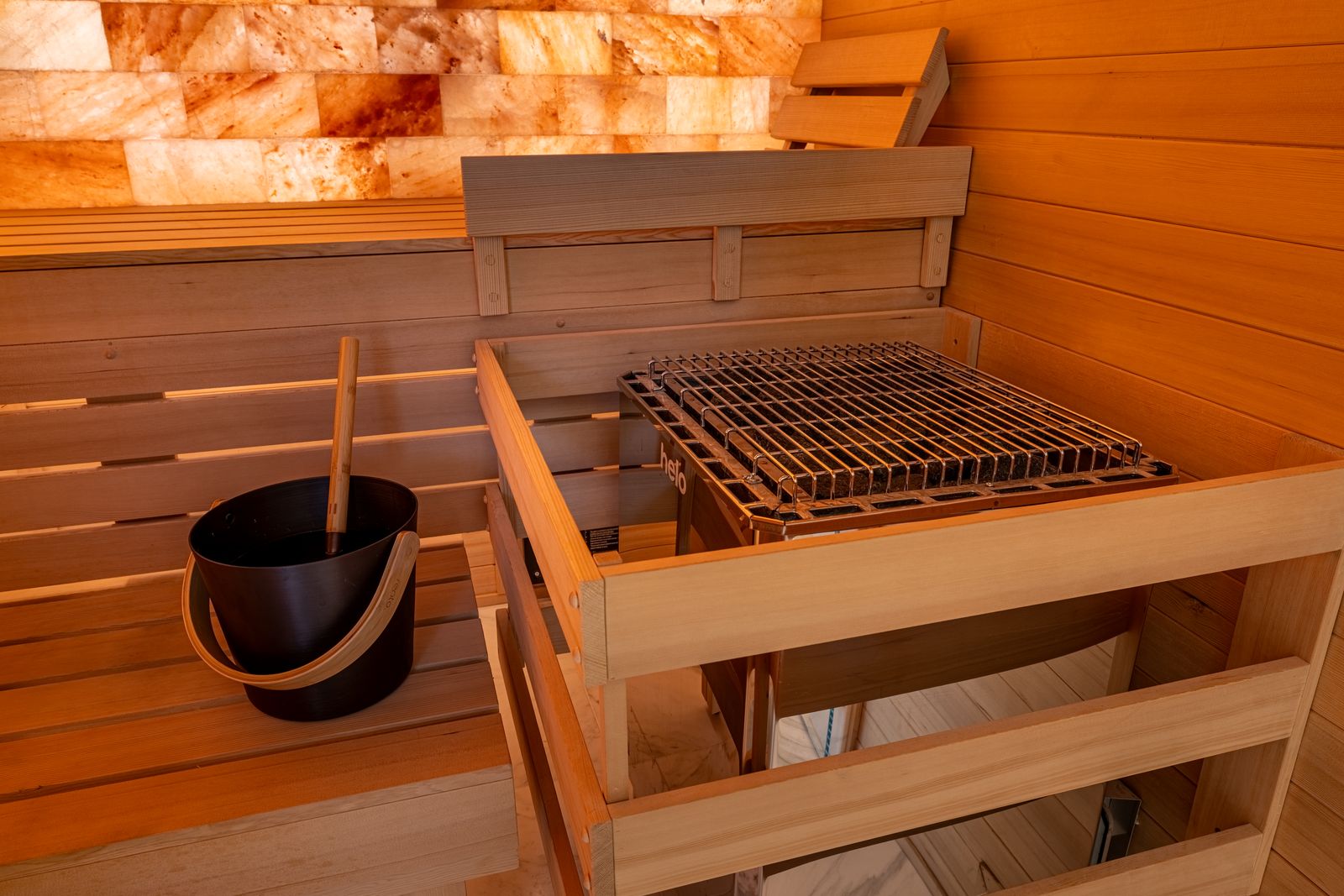
Wood selection also changes the sauna experience. Cedar, hemlock, spruce, and other sauna-friendly woods each have distinct scents, textures, and visual warmth. Heater placement affects how evenly the room heats. Ceiling height influences where heat collects. Bench layout determines whether people can adapt the session to their comfort level.
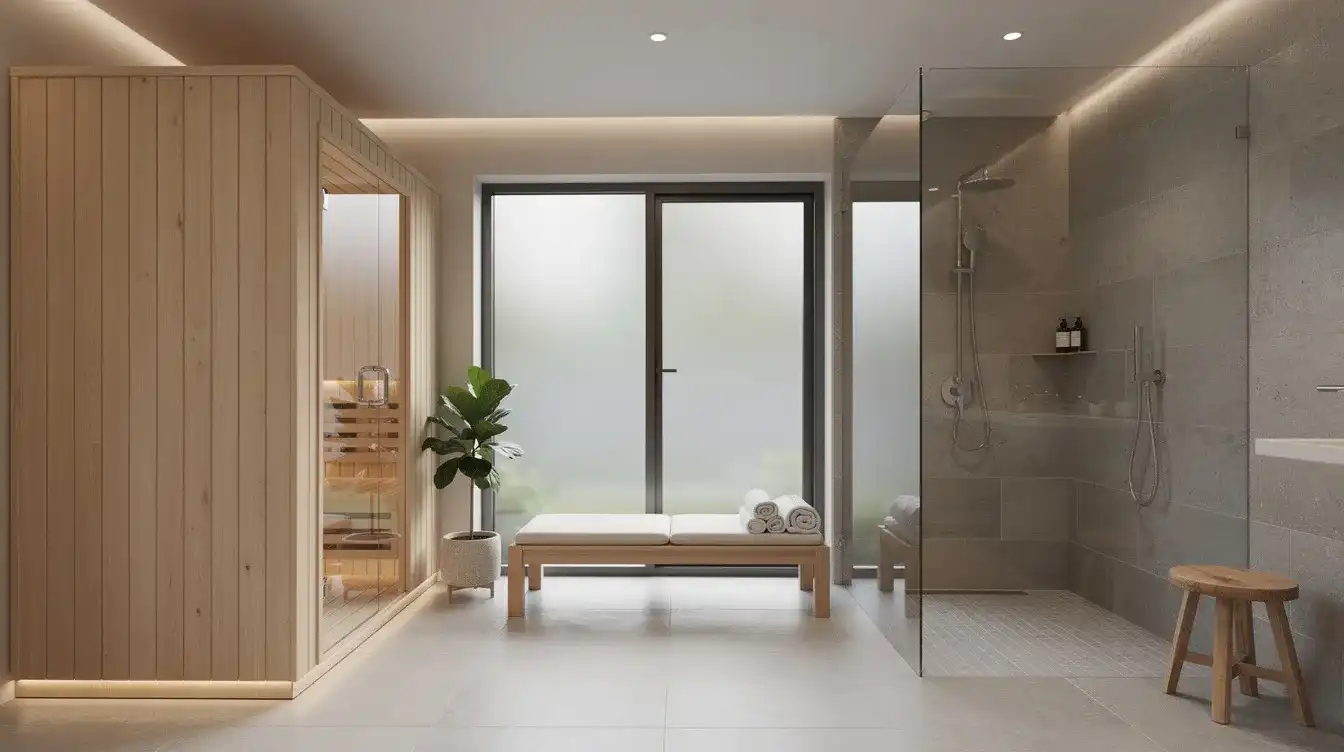
More homeowners are also integrating saunas into broader wellness rooms with showers, cold plunge tubs, small workout areas, or quiet outdoor views. This does not need to feel elaborate. The goal is simply to make sauna usage part of a natural health routine rather than an occasional treat.
How to Use a Sauna for Everyday Wellness: Practical Guidelines
A typical routine for a healthy adult is simple: warm up gradually, spend 10–20 minutes in the sauna, cool down, and rehydrate. Some people repeat a second round after resting, but beginners should keep it modest while they learn how their body responds.
Many people aim for 2–4 sessions per week. In Finland, experienced sauna users may use saunas almost daily. The strongest research associations often involve frequent sauna bathing, but consistency should never mean forcing a session when you feel unwell, dehydrated, or overly fatigued.
Sauna Beginner Tips
Beginner Tip
Why It Helps
Start on a Lower Bench
The lower bench is typically cooler, making it a more comfortable place to begin as your body adapts to the heat.
Keep Your First Session Short
Starting with a shorter session allows you to become familiar with the heat without overexerting yourself.
Avoid Extremely High Heat at First
Moderate temperatures help your body gradually adjust and reduce the likelihood of overheating or discomfort.
Cool Down Gradually
Allow your body temperature and heart rate to begin returning toward normal before taking a cold shower or plunge.
Rehydrate Afterward
Replace fluids lost through sweating by drinking water after your sauna session.
Pay Attention to Your Recovery
Notice how you feel later that evening and the next day so you can adjust future sessions to match your comfort and tolerance.
Saunas complement healthy habits; they do not replace them. A sauna may help with relaxation after physical activity, but it should not replace exercise, sleep, nutrition, or medical care. Sauna use is also not a primary way to lose weight. Any immediate weight change is mostly fluid loss from sweating and returns when you rehydrate.
The best everyday sauna routines tend to be calm and repeatable. Treat the sauna as a screen-free break. Quiet music, gentle stretching, slow breathing, or simply sitting still can make each session feel like both physical recovery and mental reset.
Sauna Health Benefits FAQs
How long should a typical sauna session last for health benefits?
For most healthy adults, a reasonable range is 10–20 minutes per round, often totaling 15–30 minutes of heat time per visit. Comfort, heat intensity, and experience level matter more than hitting an exact number.
Beginners may start with 5–10 minutes on a lower bench and gradually increase time as they learn how their body responds to raised body temperature, sweating, and cooling. Many studies linking sauna bathing with cardiovascular and other health benefits involved multiple weekly sessions of around 10–20 minutes at traditional Finnish temperatures.
Is daily sauna use safe?
Many people in sauna cultures, including Finland, use saunas almost daily without issues. Daily sauna use can be safe for healthy adults when hydration, session length, temperature, and cooling are handled sensibly.
Anyone with cardiovascular disease, blood pressure concerns, chronic conditions, pregnancy, or other health issues should ask a healthcare provider before adopting daily heat exposure. Rest days are also reasonable. Listening to your body is more important than reaching a strict target.
Should I choose an infrared sauna or a traditional Finnish sauna for home use?
Both infrared and traditional saunas can offer comparable wellness benefits, such as relaxation, cardiovascular stimulation, sweating, and muscle comfort.
A traditional Finnish sauna is usually best for people who enjoy intense heat, steam, and shorter rounds. An infrared sauna often works well for people who prefer longer, gentler sessions at lower air temperatures. In custom spaces, the best choice usually comes down to wellness goals, available space, installation requirements, and the type of sauna experience desired.
Written by
Chris Noel
: Christopher Noel has been in the wine cellar industry for 15+ years, 10 of those served as a former employee of Vintage Cellars. Chris is a hands-on specialist in superior customer service, advanced wine cellar design, and sauna design, able to handle the most difficult design applications in the industry. In his spare time, Chris helps run his wife's Mexican Art import company and loves to cook and spend time with his son.
Vintage Cellars started building custom wine cellars in 1990 and custom saunas in 2015. Based in San Macros, California, we have built custom saunas and wine cellars throughout the United States.
Our sauna and steam design experts are waiting to turn your custom sauna dream into a reality. Tell us the room size, budget, and other details and we will design the custom sauna of your dreams.














.png)