Caption
Key Takeaways
All saunas work by exposing the body to controlled heat, raising body temperature, and triggering sweating, blood circulation, and cardiovascular responses.
The main types of saunas include traditional saunas, infrared saunas, and steam saunas, each offering unique heating methods and experiences.
Sauna design matters: ceiling height, ventilation, heater sizing, wood selection, and the sauna door all affect comfort, heat retention, and performance.
Keep sessions short, drink water, stay hydrated, listen to your body, and speak with a healthcare professional if you have heart, blood pressure, respiratory, or other medical concerns.
Introduction: What a Sauna Really Does to Your Body
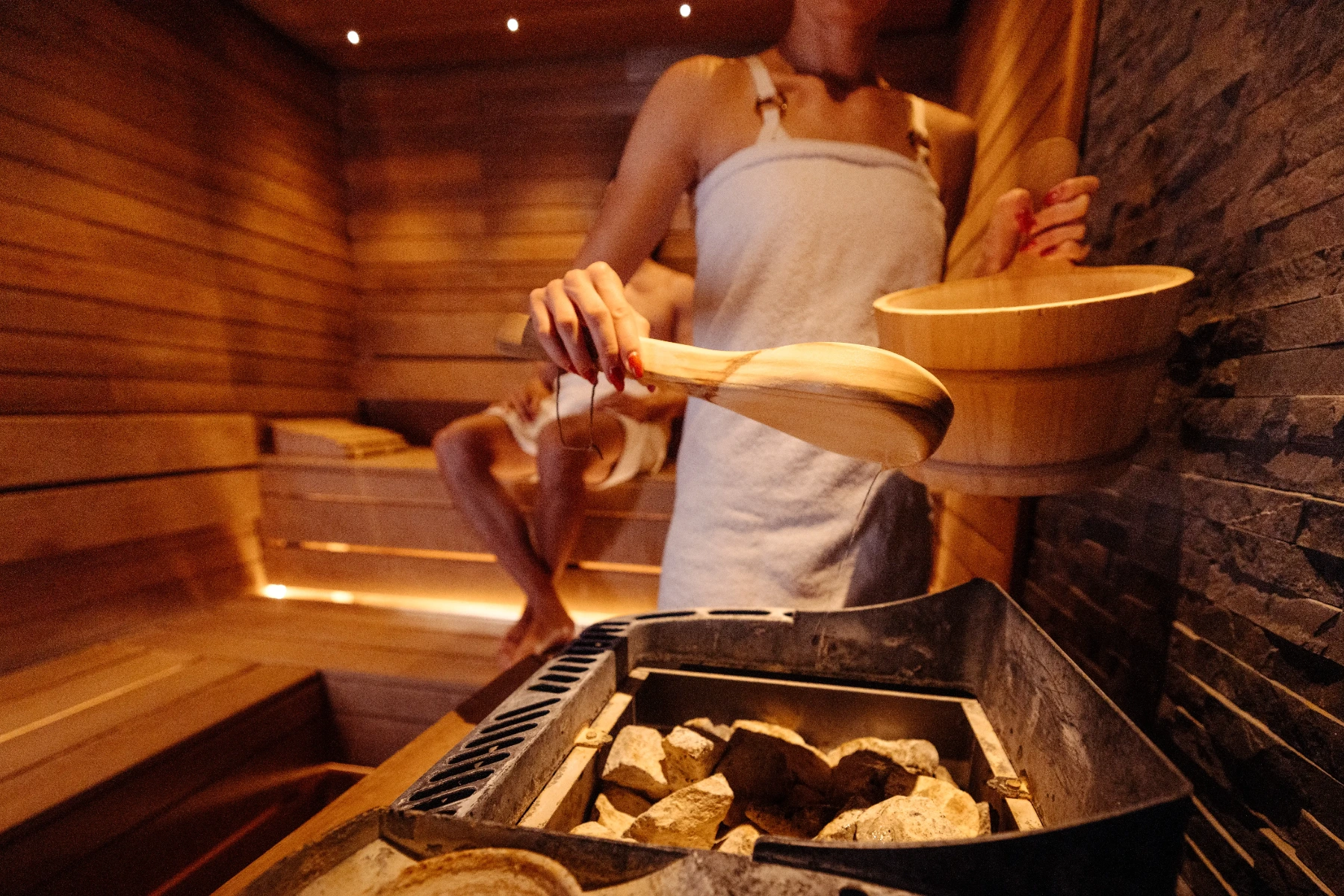
You step into a warm, wood-lined sauna room. Within minutes, your skin heats up, your pulse climbs, and sweat begins to bead across your forehead. That simple experience is the answer to how saunas work: they use controlled heat to challenge your body’s internal balance.
A sauna is a controlled high-heat environment, often between 113–194°F depending on the type of sauna, designed to raise body temperature and trigger cooling responses. Finnish saunas are the classic model, used for centuries in Finland, while modern options include the infrared sauna, steam room, and hybrid systems.
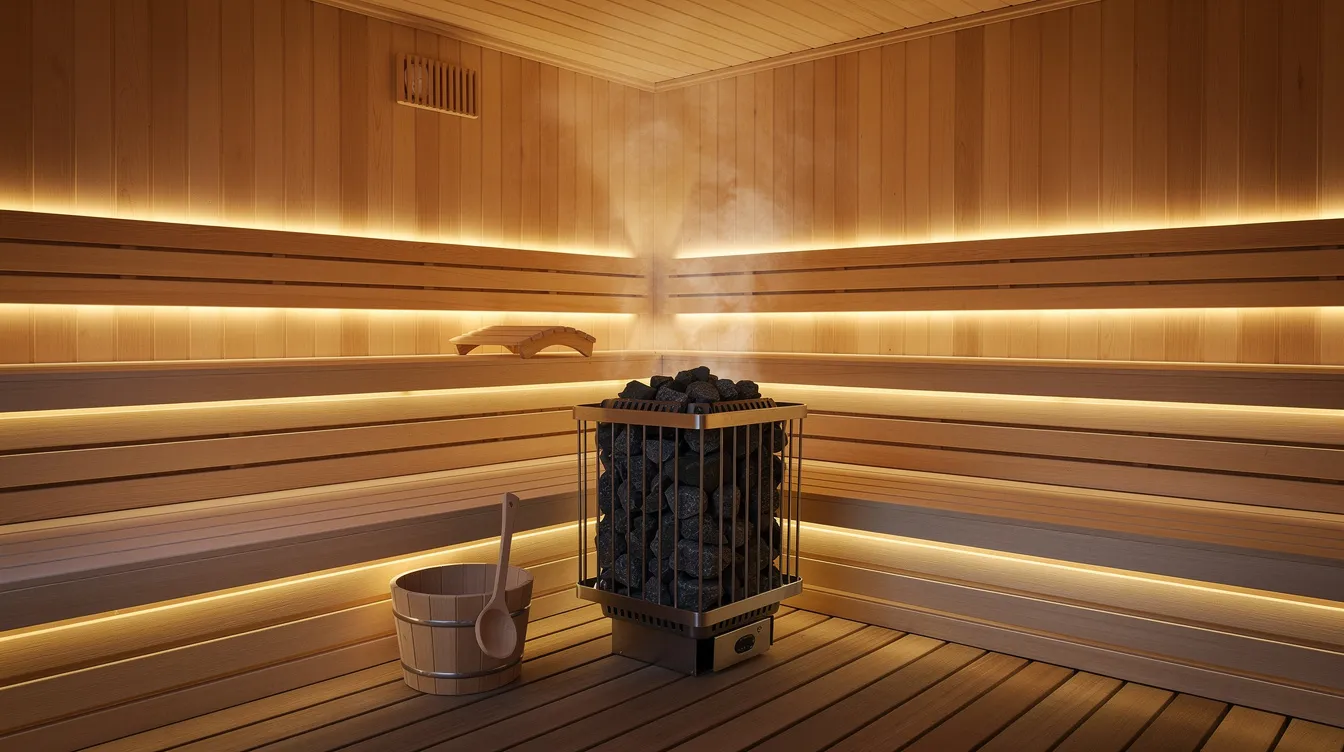
The core principle is physics. Heat transfer moves energy from a heater, hot stones, infrared panels, or steam into your body. Understanding how sauna uses differ helps you choose the best sauna for your home, wellness goals, and preferred sauna experience.
Caption
The Science of Saunas: How Heat Affects the Body
Sauna use is a form of heat training for your thermoregulatory and cardiovascular systems. Saunas operate by raising the body's temperature through controlled heat, which triggers a natural response to sweat and increases blood circulation.
Skin temperature rises first, followed by core body temperature. In a typical 10–20 minute sauna session, core temperature may rise about 1–2°F, or 0.5–1°C. The hypothalamus detects this shift and activates sweat glands, widens blood vessels, and increases heart rate.
This vasodilation occurs during sauna sessions, leading to increased heart rate and circulation, mimicking some cardiovascular effects of moderate exercise. The relaxing sensation from sauna use is driven by measurable physiological shifts, including blood vessel dilation and elevated heart rate.
Repeated heat therapy may also stimulate heat shock proteins. Sauna sessions can trigger the release of heat shock proteins, which help clear damaged proteins and protect tissues from inflammation. This is one reason researchers continue to study sauna bathing for resilience, recovery, and long-term health benefits.
A systematic review in BMC Medicine noted associations between regular sauna bathing and improved cardiovascular health, lower risk markers, and reduced cardiovascular disease outcomes. Still, using a sauna does not replace exercise, a balanced diet, sleep, or medical care.
Did You Know?
A sauna does not simply make the room hot. It creates a controlled heat environment that affects skin temperature, core temperature, circulation, sweat response, and perceived comfort at the same time.
How Saunas Generate Heat: Traditional, Infrared, and Hybrid Systems
Different systems make saunas work in different ways.
Traditional Finnish saunas are commonly constructed from wood types such as spruce, aspen, pine, and alder, chosen for their insulating properties, durability, and comfort. Spruce is often used for sauna walls and ceilings because it has strong insulating properties and moisture resistance. Aspen and alder are often selected for benches and paneling because they do not get too hot and have a smooth surface that is comfortable to sit on.
Traditional dry Finnish saunas use a heater and sauna stones. Sauna heaters can be wood-burning or electric, with electric heaters being more common in modern urban saunas because of their accurate temperature control and convenient operation. Lava stones retain heat produced by the heater and gradually release it, helping maintain a steady temperature inside the sauna.
In traditional saunas, a stove heats stones that radiate heat throughout the room. In infrared saunas, infrared panels directly warm the body without significantly heating the surrounding air. Infrared saunas use infrared light and infrared waves to create heat that is absorbed by the upper layers of the body.
Hybrid saunas combine traditional heaters and infrared panels in the same space. Because these are separate technologies, hybrid systems need independent controls so the user can adjust ambient heat and radiant heat separately.
Why Different Heating Systems Feel So Different
Ambient heat and radiant heat feel different because they enter the body differently. Traditional saunas use convection: hot air rises from the heater, moves through the room, and warms the surrounding air, walls, benches, and skin.
Infrared systems rely more on radiant energy. That is why infrared saunas can feel deeply warm at lower temperatures. You are not waiting for all the hot air in the room to reach high temperatures.
Humidity, surface temperature, and airflow also change perceived intensity. The same thermometer reading can feel mild, sharp, or overwhelming depending on moisture and air movement.
Finnish Sauna / Dry Sauna
Typical Heat Source: Heater, heated rocks, hot rocks
Typical Feel: Intense heat, dry heat, full-room warmth
Infrared Sauna
Typical Heat Source: Infrared panels
Typical Feel: Gentler targeted warmth
Steam Sauna / Steam Room
Typical Heat Source: Steam generator
Typical Feel: Wet heat, dense humidity
Hybrid Sauna
Typical Heat Source: Heater plus infrared panels
Typical Feel: Adjustable mixed experience
Temperature and Humidity Explained
Traditional saunas typically operate at high temperatures between 160°F and 200°F with very low humidity, usually 10% to 20%. Traditional saunas, often referred to as Finnish saunas, can be heated by wood or electricity.
Infrared saunas use infrared light to directly heat the body, typically operating at lower temperatures around 113°F to 140°F, making them more tolerable for some users. Steam saunas, also known as steam rooms, maintain high humidity levels and lower temperatures, usually around 104°F to 122°F, creating a different experience than dry saunas.
Saunas typically maintain humidity between 10% and 30%, with wood paneling absorbing moisture and ventilation allowing air to circulate. Pouring water on hot stones creates steam, known as löyly, which increases humidity and enhances the perception of heat.
What Is the Ideal Sauna Temperature?
Beginners often do best around 140–167°F in a traditional sauna and 113–131°F in an infrared sauna. Experienced users may prefer a Finnish sauna at 176–194°F for shorter 10–15 minute rounds.
Vintage Cellars Pro Tip
Start lower and shorter. Increase temperature or duration only when the sauna bath feels controlled and comfortable.
Before entering the sauna, it is recommended to wash your body with soap and hot water, then dry yourself off for cleanliness and comfort. It is also advisable to stay hydrated before, during, and after sauna sessions by drinking water or herbal teas to replenish fluids lost through sweating.
A typical sauna session should last between 10 and 20 minutes. It is important to take breaks to cool down between sessions to avoid dehydration and fatigue.
Why Steam Feels Hotter Than Dry Heat
Steam feels hotter because evaporation is restricted. In a dry sauna with low humidity, sweat evaporates efficiently and cools the skin. In wet heat, sweat stays on the skin longer, so the body’s cooling system is less effective.
That is why 120°F in a steam room can feel more oppressive than 160°F in a dry sauna. Pouring water on hot rocks does not dramatically raise the actual air temperature; it raises humidity and makes the heat feel sharper.
Essential oils are sometimes added in small amounts for aroma, but they should be used carefully and only as recommended by the sauna manufacturer.
Airflow and Heat Circulation: Why Design Details Matter
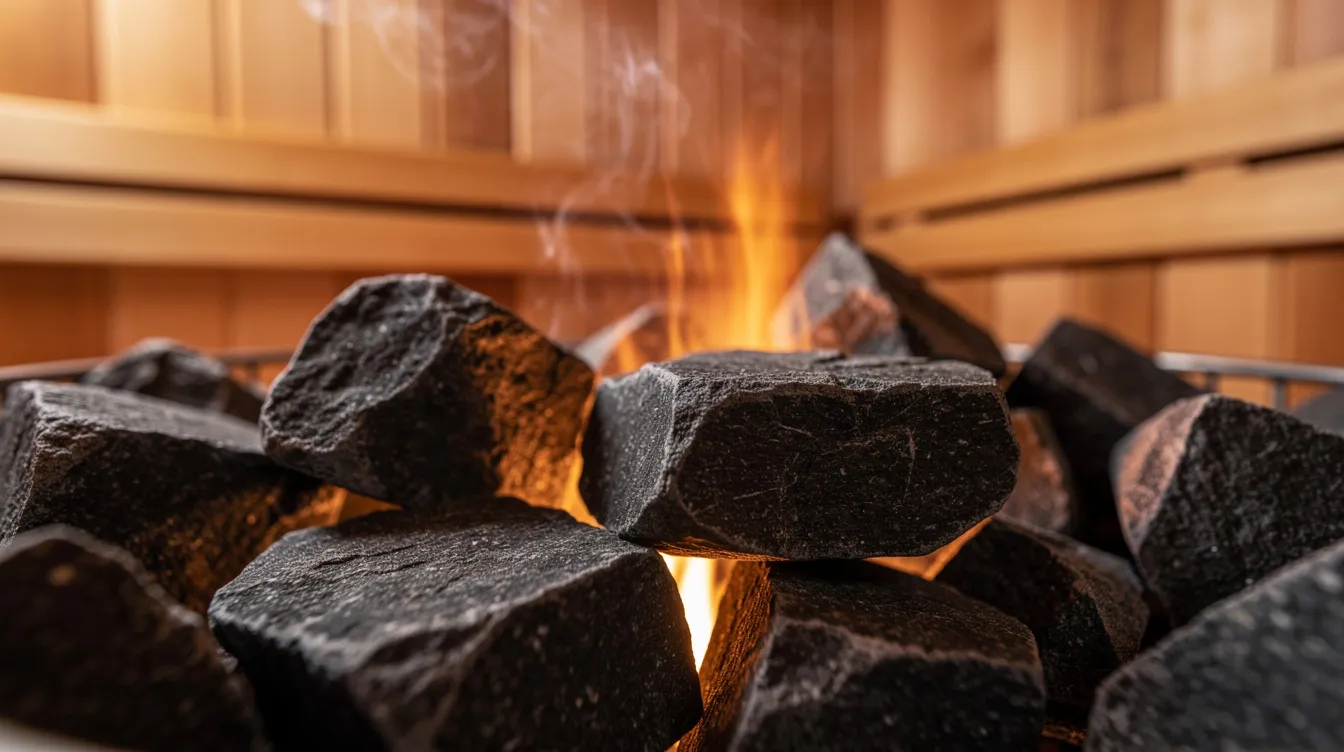
Even the best heater cannot compensate for poor airflow. Heat in a sauna is distributed primarily through convection and radiant heat transfer, with hot air rising and cooler air sinking to create a temperature gradient.
Because hot air rises, ceiling height, bench placement, and vent position determine where the most comfortable heat band settles. At Vintage Cellars, when we design custom saunas, we pay close attention to ceiling height and ventilation. Many clients prefer lower ceilings around 7 feet to improve heat retention and keep the warmest air near the seating areas, enhancing comfort and energy efficiency.
Supply and exhaust vents bring in fresh air, remove stale humid air, and reduce cold spots. In our experience, vent placement has a major impact on comfort, airflow, and heat consistency. Adjustable vents allow users to fine-tune airflow to their preferences and room conditions.
Caption
Why Sauna Ceiling Height Matters More Than Most People Realize
In taller rooms, hot air rises above head level, leaving benches cooler and forcing heaters to work harder. One thing we’ve found in custom sauna builds is that ceiling height needs to balance volume and heat stratification, ensuring the warmest air stays where users sit or recline.
This consideration is crucial for comfort and energy efficiency, especially in home saunas where ceiling height can be tailored to the heater size, bench layout, and intended use.
Why Vent Placement Affects Comfort
A low intake vent near or behind the heater allows fresh, oxygen-rich air to enter and warm as it rises. An exhaust vent placed high on the opposite wall or near the ceiling lets hot, humid air escape gradually.
Poor vent placement can cause cold drafts at foot level, overheated corners, or stuffy air. We typically position vents to balance oxygen flow and maintain an even temperature throughout the sauna room.
Questions to Ask Before Designing a Sauna
What type of heat experience do you prefer?
This helps determine whether a traditional Finnish sauna, infrared sauna, steam room, or hybrid sauna will feel most comfortable and sustainable for daily use.
How high should the ceiling be?
Ceiling height affects heat retention, stratification, and comfort. A carefully planned ceiling keeps the warmest air closer to the seating area instead of letting it collect above the user.
Where should the vents be placed?
Vent placement affects oxygen flow, humidity removal, cold spots, and heat consistency. Poor airflow can make even a well-heated sauna feel uncomfortable.
Which bench layout supports the way the sauna will be used?
Bench height, depth, and placement influence whether users can sit upright, recline, stretch, or choose between milder and hotter heat zones.
How will the sauna fit into the surrounding wellness space?
The best sauna design considers access, cooling areas, showers, lighting, privacy, and how people move before and after each session.
How Your Body Reacts to Sauna Heat
Within minutes, heart rate rises, blood vessels dilate, sweating increases, and the body begins active cooling. Blood flow shifts toward the skin so heat can radiate away.
Heart rate may climb into the 100–150 beats-per-minute range in hotter environments. Sweat production can reach roughly 0.5–1 liter per session depending on duration, heat, humidity, and individual physiology.
These responses help explain many health benefits: improved blood circulation, increased blood flow to the skin, looser muscles, post-sauna calm, and potential pain relief for sore muscles. Some people also use heat therapy as part of chronic pain management, though medical conditions should be discussed with a professional.
Sauna bathing can improve blood circulation by dilating blood vessels, which increases blood flow and oxygenation of the body's tissues, potentially reducing blood pressure over time.
How Long Does It Take for the Body to Respond?
Light sweating often begins within 5–10 minutes. Heart rate and blood circulation increase early, while core temperature usually peaks closer to the end of a standard 10–20 minute round.
First-time users may feel intense heat sooner because they are not heat-adapted. Beginners should start with 8–10 minutes, leave if lightheaded, and cool down between rounds.
After a sauna session, it is recommended to cool down gradually, starting with a cold shower or bath, and to allow your body to rest for about ten minutes to normalize blood pressure.
Can Sauna Use Mimic Exercise?
Sauna use can create cardiovascular stress similar to brisk walking or very light jogging, but it does not build muscle or replace aerobic training. It is better viewed as a complement to movement, recovery, and relaxation.
Research summarized in Mayo Clinic Proceedings and other reviews has linked frequent sauna use with heart health outcomes. Regular sauna use is associated with a reduced risk of sudden cardiac death, with risk reduction increasing with the duration and frequency of use, particularly when combined with exercise.
For people with heart failure or cardiovascular disease, sauna routines should only be considered with medical guidance. Some supervised studies have explored low-temperature sauna therapy in stable heart failure patients, but that does not make unsupervised heat exposure risk-free.
The “Sauna High”: Hormones and Neurotransmitters
Many people describe a calm, uplifted feeling after a sauna. Saunas stimulate endorphin release, which acts as natural painkillers and elevates mood, creating a feeling of euphoria.
Dynorphins and norepinephrine may also influence mood, alertness, and mental clarity. Some research suggests temporary increases in growth hormone and other signaling molecules, though the size of the effect varies.
The initial discomfort in a sauna session transitions to relief as the nervous system switches from a sympathetic to parasympathetic state. That shift helps explain why sauna use may reduce stress, support mental wellbeing, and lower a stress hormone response after the session.
Why Sauna Use Can Improve Sleep
Heat followed by gradual cooling can support the body’s natural evening temperature drop, which is associated with sleep onset. Endorphins and relaxation may also make it easier to unwind.
Late-afternoon or early-evening sessions often work better than very late sessions. Give yourself time to cool down, drink water, and rest before bed.
Why Different Saunas Feel Different
A Finnish sauna can feel like stepping into a wave of hot air. An infrared sauna often feels like gentler warmth at lower air temperatures. A steam sauna feels dense and humid.
Traditional saunas create environment-wide heat through a heater, hot stones, convection, and occasional löyly. Infrared saunas deliver focused radiant heat directly to the body. Steam rooms emphasize wet heat, lower temperatures, and near-saturated humidity.
Saunas can improve respiratory comfort for some people by clearing congestion, opening airways, and hydrating skin, particularly in steam saunas. However, people with asthma, respiratory sensitivity, or cardiovascular concerns should be cautious.
Frequent sauna use, 4–7 times per week, has been linked in observational research to a decreased risk of neurovascular diseases, including Alzheimer’s disease and stroke, compared to less frequent sauna use. These findings are promising, but they do not prove that saunas alone prevent disease.
Which Sauna Type Is Best for Daily Use?
The best choice depends on heat tolerance, schedule, and goals.
Infrared Sauna
Often easier for daily use because it operates at lower temperatures and heats up quickly.
Traditional Finnish Sauna
Ideal for people who enjoy shorter, hotter sessions, löyly, and contrast showers.
Steam Room
Useful for people who enjoy moist heat and skin hydration.
Hybrid Sauna
Best for homeowners who want flexibility.
If your goal is recovery after exercise, using a sauna may help you feel looser and calmer. If your goal is to lose weight, remember that most immediate weight loss is water loss, not fat loss.
Public saunas can be a good way to test preferences before investing at home. In the wider sauna world, personal comfort matters more than chasing the hottest possible setting.
Practical Takeaways for Buyers and Homeowners
Choosing or building a home sauna is not just about the heater. Design, materials, airflow, lighting, and layout all shape the final sauna experience.
Custom sauna design allows homeowners to optimize ceiling height, vent placement, bench layout, heater sizing, and the sauna door. For infrared saunas, panels should surround the seating area when possible, including the back, sides, and sometimes calves or front-facing areas.
Saunas minimize sensory overload through the use of softwoods that absorb sound and low, warm lighting that promotes relaxation. We like to use wood types like spruce for walls and ceilings, and aspen or alder for benches, balancing heat retention with comfort.
Lighting also plays a subtle but important role. We typically use warm, indirect lighting to help create a more relaxing atmosphere without overpowering the space.
Heater placement is another critical design factor. We typically position heaters to maximize radiant heat while maintaining user comfort.
Many homeowners appreciate the ability to tailor their sauna to specific wellness goals, whether that means creating a daily recovery space, a place for relaxation, or a social environment.
Finally, when designing a home sauna, factors like ventilation, access, and room layout usually shape many of the final design decisions. This helps deliver saunas that perform well and fit seamlessly into the home.






.png)