Key Takeaways
Cold plunges may support muscle recovery, circulation, mental clarity, and stress resilience when incorporated into a safe, consistent wellness routine.
Contrast therapy combines sauna heat with cold water immersion to create a balanced recovery experience that many people find more restorative than either therapy alone.
Research supports some benefits more strongly than others. While evidence for exercise recovery is well established, studies exploring metabolism, cardiovascular health, immune function, and long-term wellness continue to evolve.
Consistency matters more than intensity. Beginners often benefit from starting with brief cold exposures and gradually building a routine over time.
Thoughtful wellness design encourages long-term success. Positioning a cold plunge alongside a sauna, shower, and relaxation area makes it easier to turn occasional sessions into a sustainable daily ritual.
Safety should always come first. People with certain cardiovascular or medical conditions should consult their healthcare provider before beginning cold water immersion.
Cold Plunges Are Showing Up in Home Wellness Spaces
Cold plunges have quickly become one of the most talked-about wellness practices, appearing everywhere from professional training facilities to luxury homes. While athletes have long used cold water immersion to support recovery, many homeowners are now discovering that a thoughtfully designed cold plunge routine can also promote relaxation, mental clarity, and overall well-being.
Whether you're considering your first cold plunge, planning a complete home wellness space, or looking to enhance an existing sauna, this guide explores the science behind cold water immersion, the role of contrast therapy, practical safety considerations, and how thoughtful design can help transform healthy habits into a lasting part of everyday life.
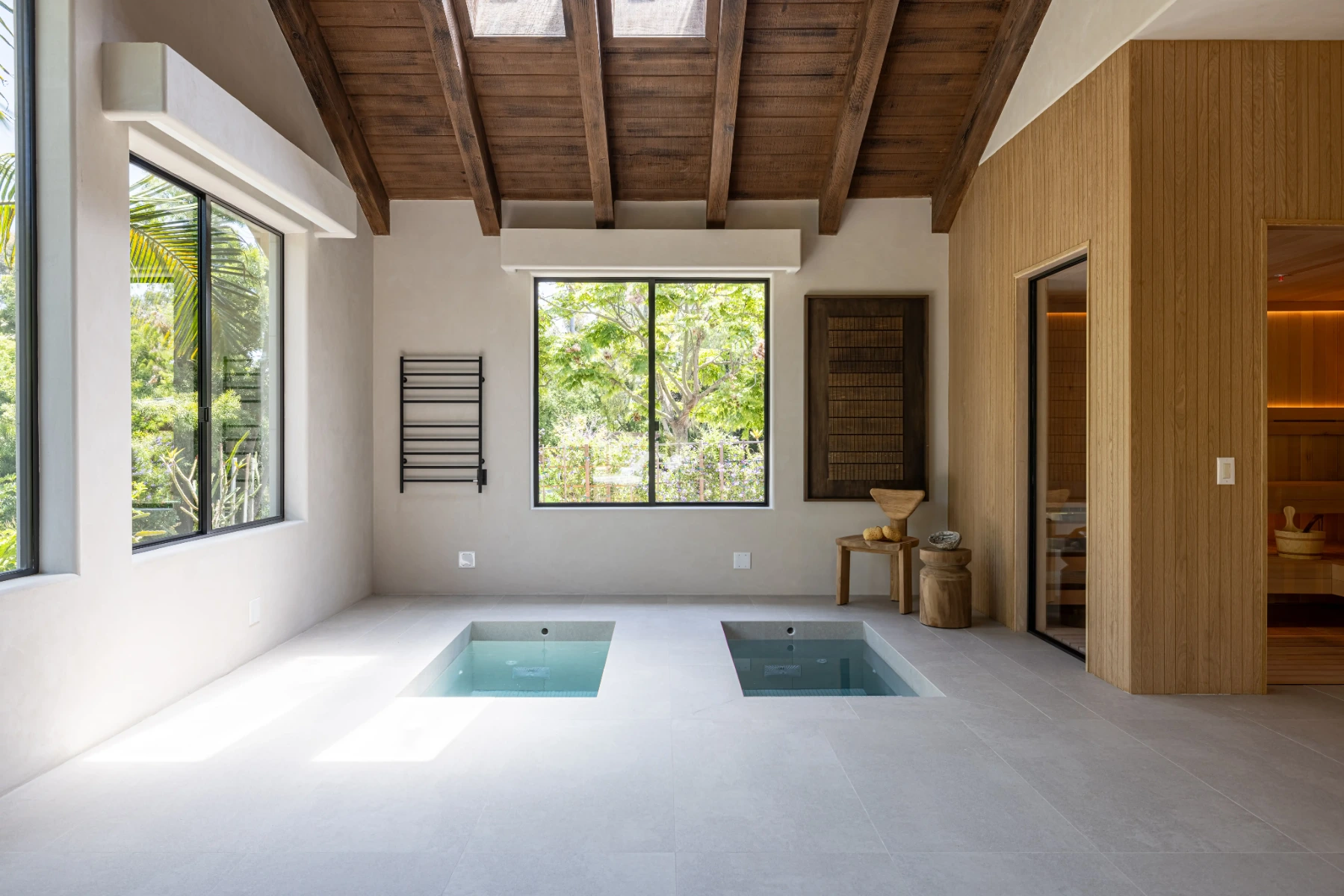
This was a thoughtfully designed wellness space we designed that combines a custom sauna with cold plunge tubs, making it easy to incorporate contrast therapy into a consistent recovery and relaxation routine.
The Rise of Home Wellness
For many years, fitness was the primary focus of healthy living. Today, however, more people recognize that recovery is just as important as exercise. Quality sleep, stress management, and allowing the body time to recover have become essential parts of a well-rounded wellness routine.
As a result, homeowners are creating spaces that support these daily habits. Dedicated wellness rooms, custom saunas, cold plunges, and quiet relaxation areas are becoming popular additions to homes, making it easier to prioritize health without leaving the house.
This shift reflects a broader understanding that wellness isn't built through occasional efforts, but through small, consistent routines that fit naturally into everyday life. Rather than viewing recovery as something reserved for athletes, people of all ages are discovering the value of taking time to recharge both physically and mentally.
What Is Contrast Therapy?
Imagine stepping into the comforting warmth of a sauna after a long day or a challenging workout. As the heat surrounds you, your muscles begin to relax, your breathing slows, and the tension you've been carrying gradually starts to fade. After spending several minutes in the sauna, you step into cool, refreshing water. For a brief moment, the cold captures your attention. Then, almost as quickly as it began, your breathing steadies, your mind becomes remarkably clear, and you emerge feeling both energized and refreshed.
This alternating cycle of heat and cold is known as contrast therapy. Rather than relying on a single treatment, contrast therapy combines the relaxing effects of sauna bathing with the invigorating stimulation of cold water immersion to create a balanced wellness experience that many people find both restorative and energizing.
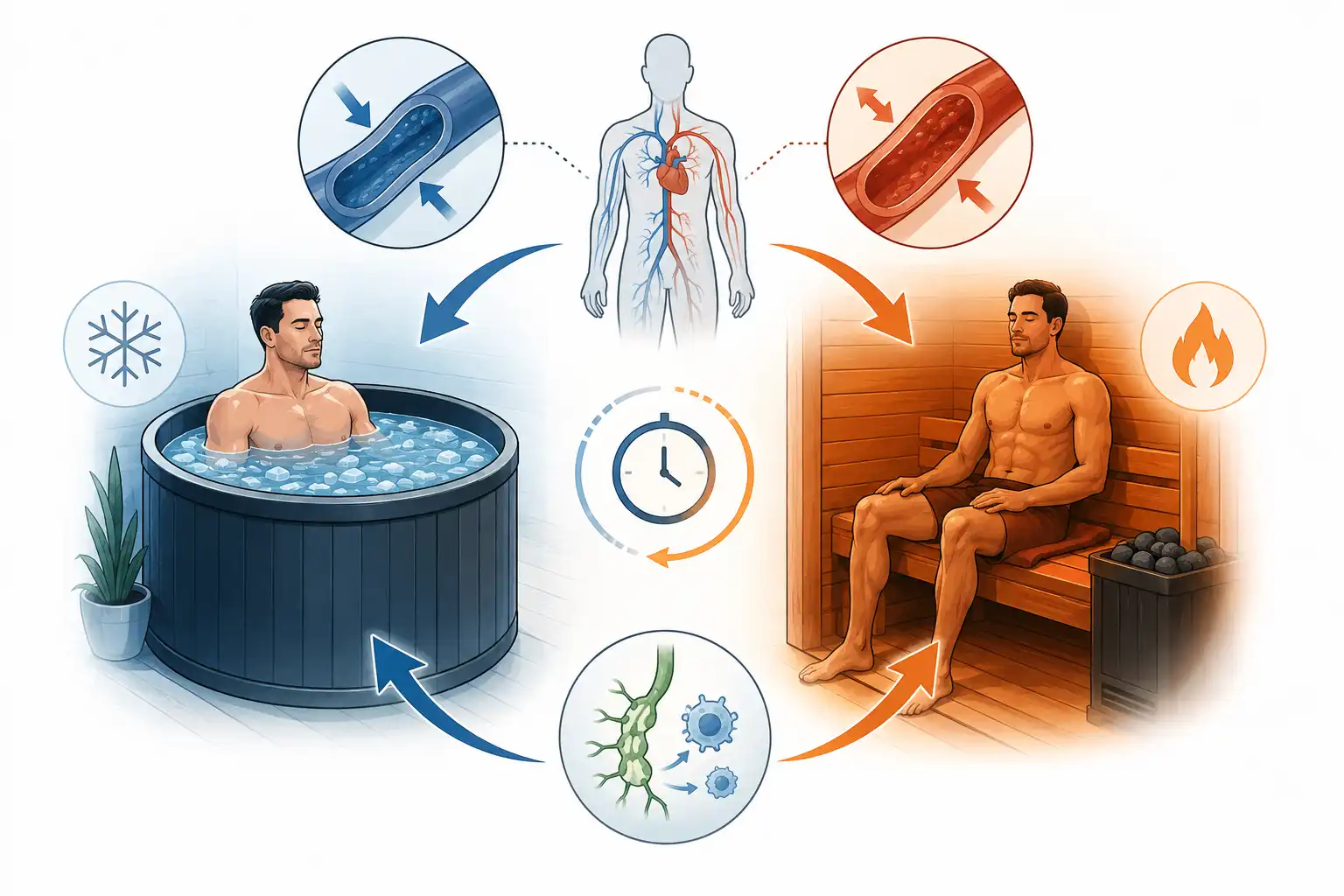
Contrast therapy is the practice of alternating between the deep heat of a sauna and the invigorating cold of a cold plunge. This temperature contrast stimulates circulation, supports muscle recovery, and provides a refreshing experience that many people incorporate into their wellness routines to promote overall well-being.
Cold Plunge + Sauna = Better Recovery
Cold plunges have become one of the most recognizable features of today's home wellness movement, but they are often just one part of a larger recovery experience. Increasingly, homeowners are pairing cold water immersion with sauna bathing to create a practice known as contrast therapy.
Alternating between heat and cold has been used for centuries to promote relaxation, support recovery, and encourage overall well-being. While each therapy offers unique benefits on its own, many people find that combining the two creates a more balanced and enjoyable wellness routine.
Understanding how these therapies work together provides the foundation for appreciating the many potential health benefits of cold plunging. Before exploring those benefits, let's take a closer look at what contrast therapy is and why it has remained a trusted wellness practice for generations.
A Wellness Practice with Deep Historical Roots
Although contrast therapy has become increasingly popular in recent years, the practice itself is far from new. For centuries, cultures around the world have embraced alternating hot and cold temperatures as part of bathing, recovery, and social wellness traditions.
In Finland, it's common to cool off in a lake or roll in fresh snow after a sauna session. Traditional Roman bathhouses guided visitors through a sequence of hot, warm, and cold pools. Similar customs can be found in Japanese bathing culture, Nordic countries, and other regions where alternating temperatures has long been viewed as an important part of physical recovery and relaxation.
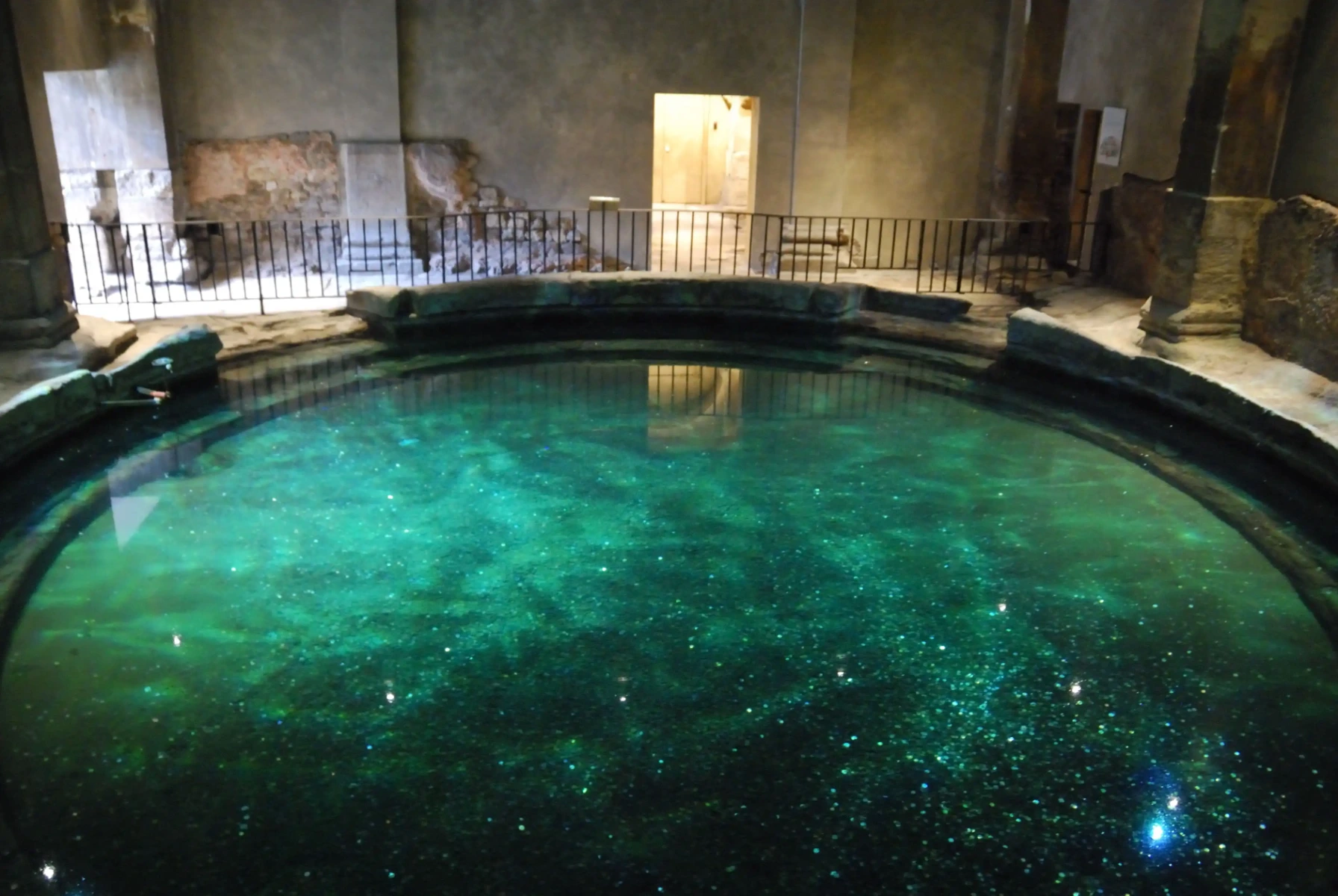
A frigidarium is one of the three main bath chambers of a Roman bath or thermae, namely the cold room. It often contains a swimming pool. giomodica, CC BY 3.0, via Wikimedia Commons
Today, these centuries-old traditions are finding new life in modern homes. As more homeowners invest in dedicated wellness spaces, contrast therapy has become a practical way to recreate many of the restorative experiences once reserved for luxury spas and wellness retreats.
Unlike temporary wellness trends, the growing interest in contrast therapy reflects a broader shift toward creating sustainable daily habits that support long-term health and well-being.
More Than Heat and Cold
While alternating between a sauna and a cold plunge may appear simple, the experience sets off a remarkable series of physiological responses. Heat encourages the body to relax, while cold briefly activates systems that help the body adapt to environmental stress. As your body returns to its normal temperature, these opposing responses work together to create the feeling of recovery that many people describe after a contrast therapy session.
Understanding what happens during each stage helps explain why cold plunges have become such a valuable complement to sauna bathing—and why the combination often feels more rewarding than either therapy alone.
In the next section, we'll take a closer look at how your body responds to heat, cold, and recovery, providing the scientific foundation for the health benefits we'll explore throughout the rest of this guide.
What Happens Inside Your Body?
A contrast therapy session is more than simply alternating between hot and cold temperatures. As your body moves through each phase, it activates a series of natural physiological responses designed to maintain balance, regulate body temperature, and adapt to changing conditions. Understanding these responses helps explain why many people report feeling both deeply relaxed and remarkably energized after a session.
The Heat Phase: Preparing the Body
Everything begins with warmth.
As you settle into a sauna, your body's core temperature gradually rises. To help cool itself, blood vessels near the surface of the skin widen—a process known as vasodilation. This increases blood flow to the skin, encourages sweating, and helps release excess heat.
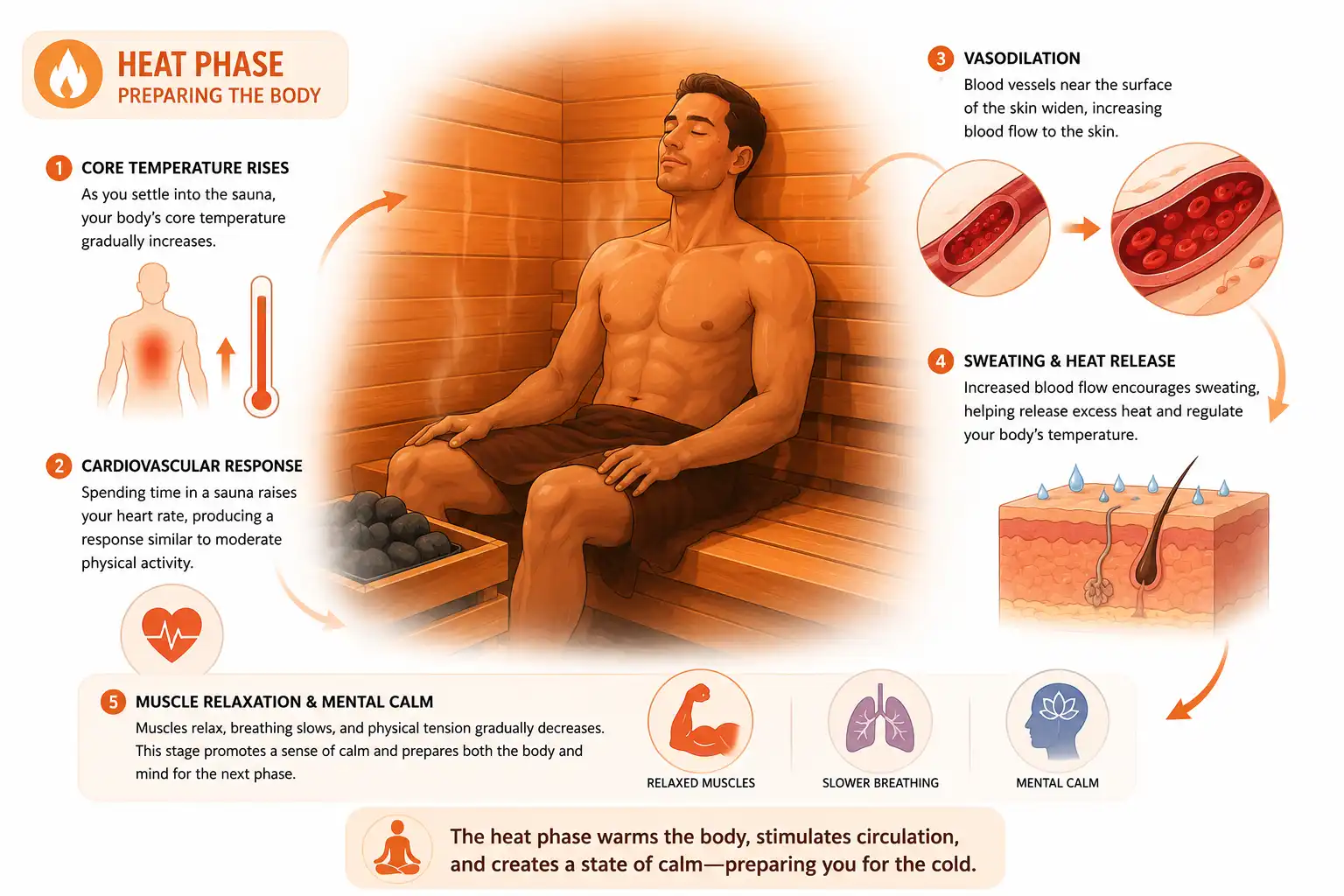
The heat phase of contrast therapy begins in the sauna, where rising body temperature increases circulation, promotes relaxation, and prepares the body for the invigorating transition into cold water.
At the same time, muscles begin to relax, breathing naturally slows, and many people notice a gradual reduction in physical tension. Spending time in a sauna also raises your heart rate, producing a cardiovascular response similar to moderate physical activity. While you're sitting quietly, your body is actively working to regulate its internal temperature.
For many people, this stage creates a sense of calm that prepares both the body and mind for the next phase.
The Cold Phase: A Controlled Stress Response
Stepping into a cold plunge immediately changes the body's priorities.
The sudden drop in temperature causes blood vessels near the skin to narrow, a response called vasoconstriction, helping preserve core body heat. Breathing typically becomes faster for the first few moments, heart rate briefly increases, and the nervous system shifts into a heightened state of alertness.
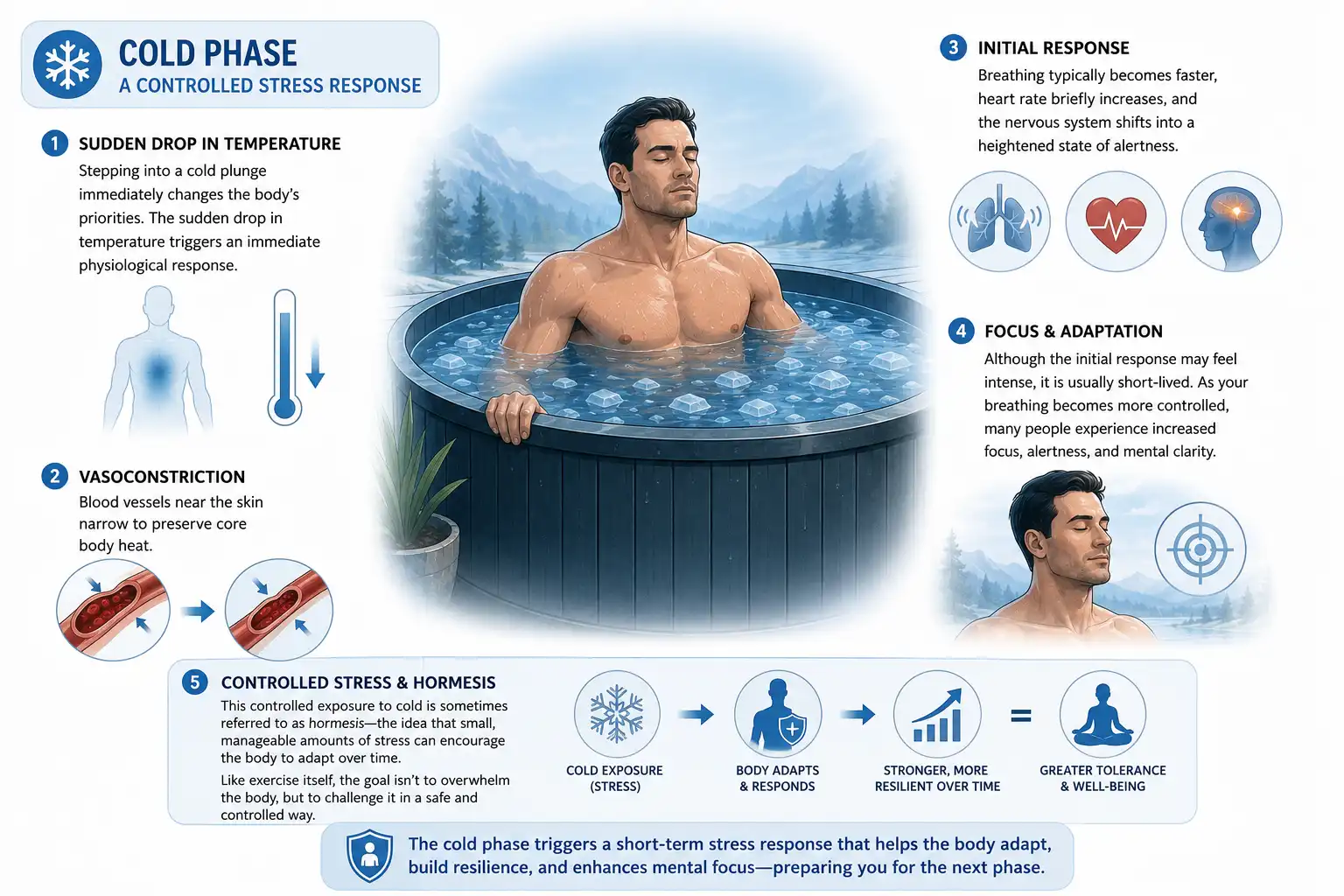
The cold phase of contrast therapy activates the body's natural stress response, encouraging controlled breathing, improved focus, and gradual adaptation to cold exposure over time.
Although this initial response may feel intense, it is usually short-lived. As your breathing becomes more controlled, many people experience an increased sense of focus, alertness, and mental clarity. Learning to remain calm during those first moments of cold exposure is one reason many people describe cold plunging as both a physical and mental exercise.
This controlled exposure to cold is sometimes referred to as hormesis—the idea that small, manageable amounts of stress can encourage the body to adapt over time. Like exercise itself, the goal isn't to overwhelm the body, but to challenge it in a safe and controlled way.
The Recovery Phase: Returning to Balance
The experience doesn't end when you step out of the water.
As your body gradually returns to its normal temperature, circulation begins to normalize and your nervous system shifts back toward a more balanced state. Many people describe this recovery period as the most rewarding part of the entire experience. Muscles often feel relaxed, breathing becomes steady, and a lingering sense of calm and mental clarity may last well beyond the session itself.
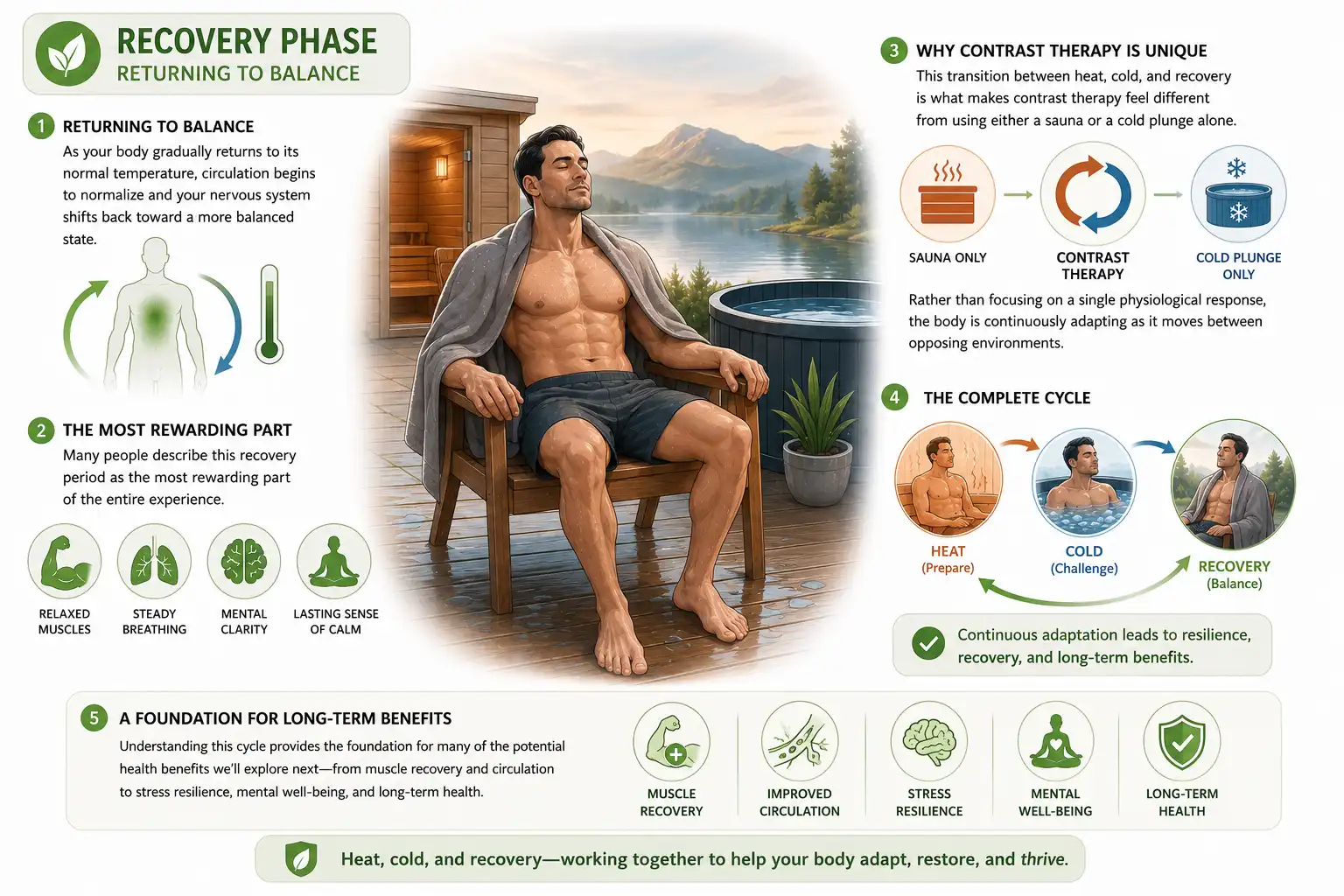
The recovery phase is where the body returns to balance, allowing circulation, breathing, and the nervous system to normalize while reinforcing the long-term benefits of contrast therapy.
This transition between heat, cold, and recovery is what makes contrast therapy feel different from using either a sauna or a cold plunge alone. Rather than focusing on a single physiological response, the body is continuously adapting as it moves between opposing environments.
Understanding this cycle provides the foundation for many of the potential health benefits we'll explore next—from muscle recovery and circulation to stress resilience, mental well-being, and long-term health.
The Health Benefits of Cold Plunge Therapy
The growing popularity of cold plunges isn't driven by a single benefit. Instead, many people are drawn to cold water immersion because it offers a combination of physical recovery, mental rejuvenation, and potential long-term wellness benefits. While research continues to evolve, studies have identified several ways controlled cold exposure may positively influence the body when practiced safely and consistently.
Physical Recovery
- Supports post-exercise muscle recovery
- May help reduce delayed onset muscle soreness (DOMS)
- May help manage temporary post-workout discomfort
- May help reduce feelings of physical fatigue
- Complements an active recovery routine
Mental Well-Being
- Encourages mental clarity and focus
- May promote alertness and a positive mood
- Supports mindfulness through controlled breathing
- May help build stress resilience
- Encourages calm during manageable discomfort
Long-Term Wellness
- May support metabolic health
- May activate brown adipose (brown fat) tissue
- May support insulin sensitivity
- May contribute to cardiovascular health
- Researchers continue studying potential benefits for sleep, immune function, and healthy aging
While research into the long-term effects of cold water immersion continues to evolve, current evidence suggests it may offer meaningful benefits when practiced safely and consistently. Cold plunging is best viewed as one part of a healthy lifestyle alongside regular exercise, quality sleep, balanced nutrition, and effective stress management.
Rather than viewing cold plunging as a quick fix, it's more helpful to think of it as one component of a balanced wellness routine that includes regular movement, quality sleep, proper nutrition, and stress management.
Physical Recovery
For many people, the most immediate and noticeable benefits of cold plunging are physical.
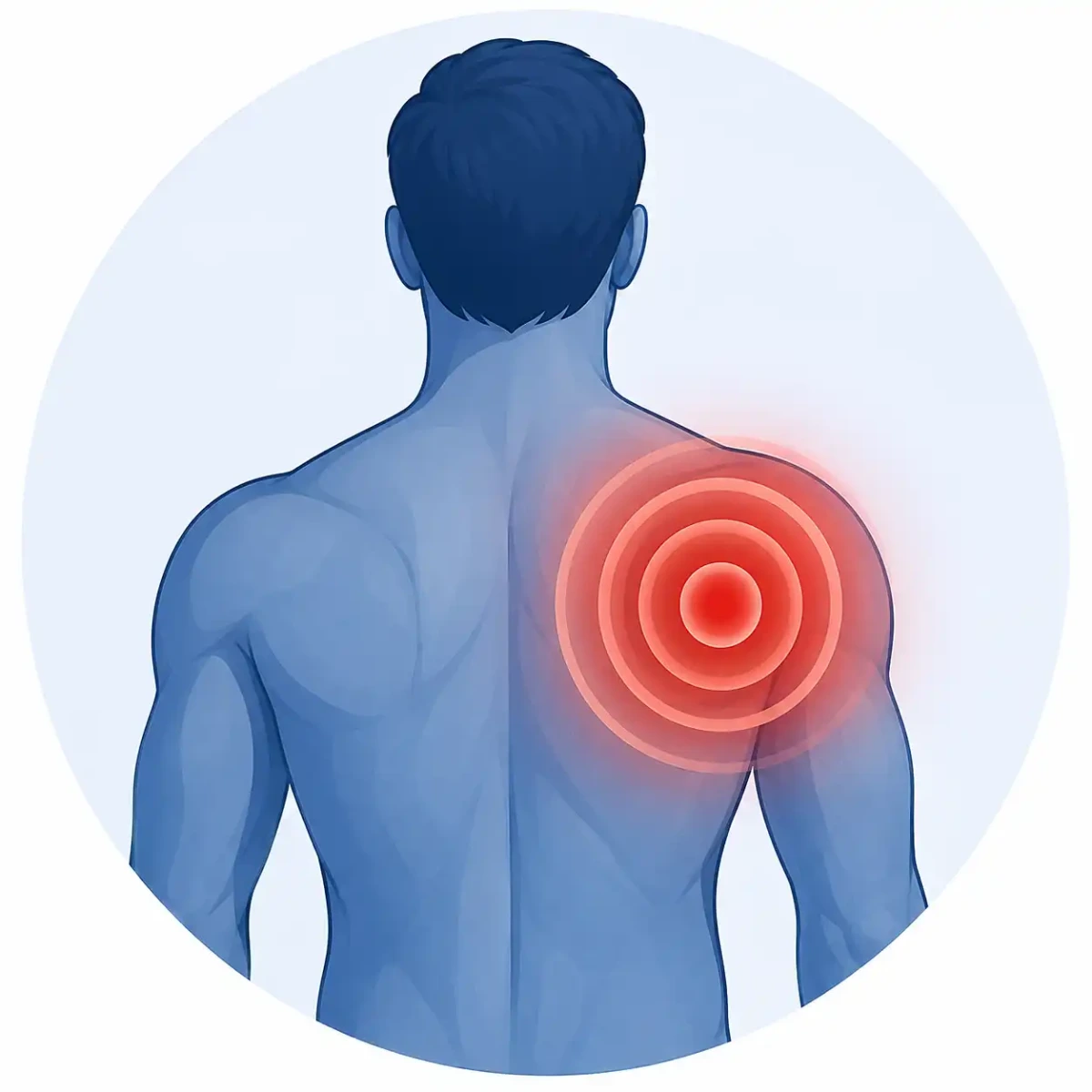
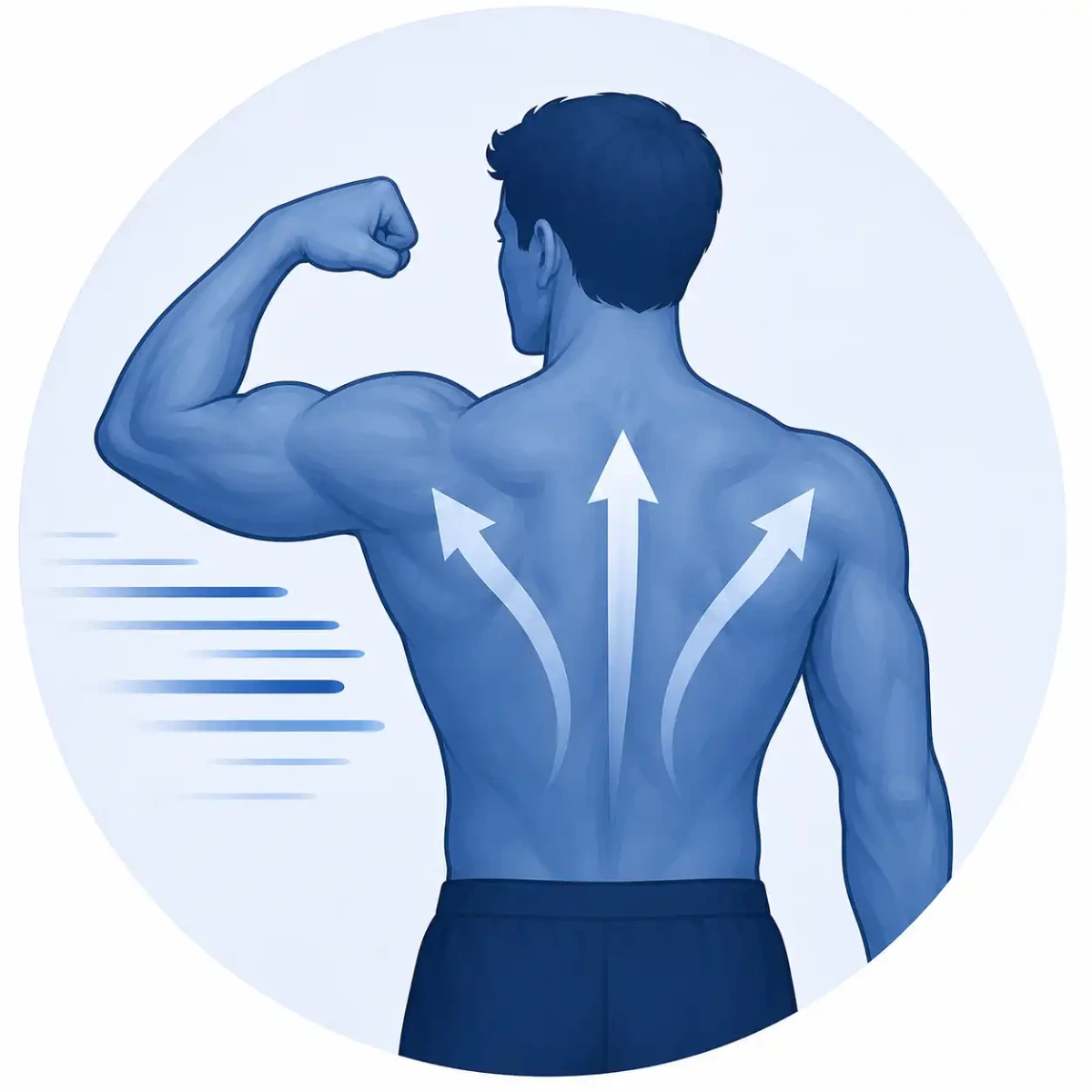
Reduces Muscle Soreness
Cold water immersion may help reduce delayed onset
muscle soreness (DOMS) after strenuous exercise.
Faster Recovery
Many athletes use cold plunges to recover more
comfortably between demanding training sessions.
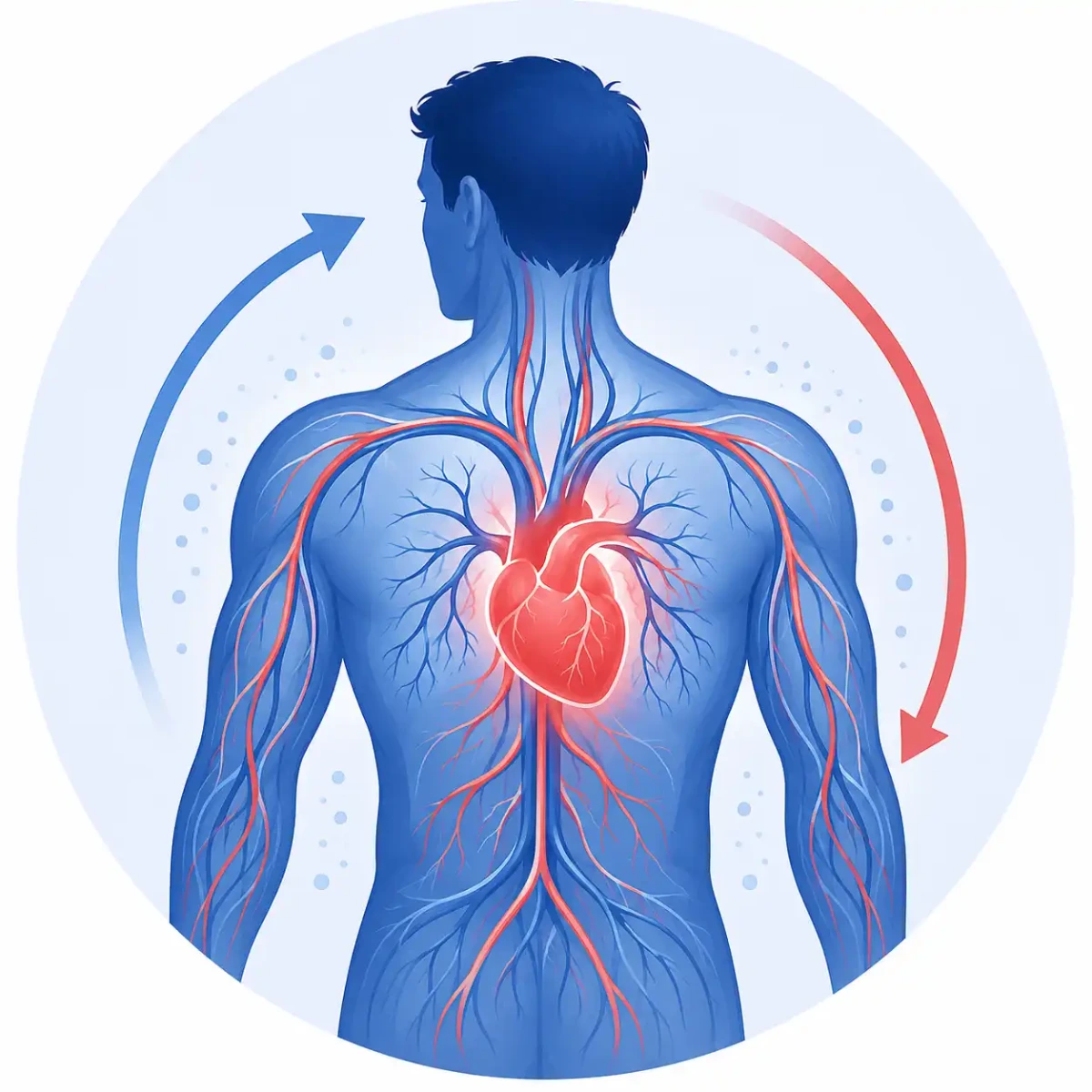
Improved Circulation
Blood vessels naturally constrict and then reopen
as the body warms, supporting healthy circulation.
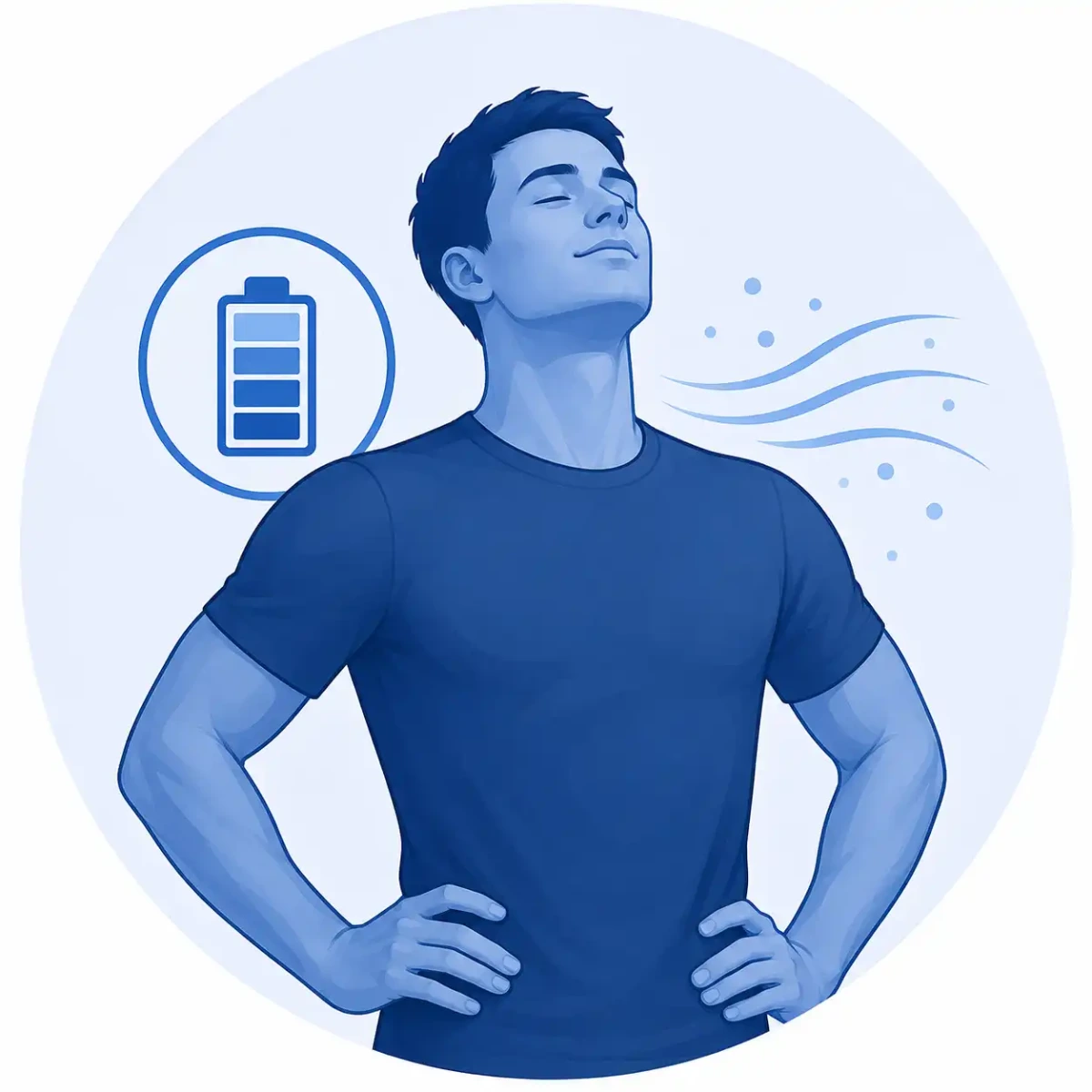
Reduces Post-Workout Fatigue
Many people report feeling refreshed and less
physically fatigued after cold-water immersion.
Following strenuous exercise, muscles naturally develop tiny microscopic tears that trigger inflammation as the body begins repairing itself. This normal process is essential for adaptation and growth, but it can also contribute to soreness and temporary fatigue.
Cold water immersion has been widely studied as a recovery tool because the body's response to cold may help reduce discomfort following intense physical activity. Many athletes use cold plunges to help manage delayed onset muscle soreness (DOMS), allowing them to feel more comfortable returning to training after demanding workouts.
As discussed in the previous section, cold exposure temporarily narrows blood vessels before they gradually reopen as the body warms. While researchers continue to study exactly how these responses contribute to recovery, many people report feeling refreshed and less physically fatigued after incorporating cold plunges into their routine.
It's important to remember that recovery goals vary. Someone training for endurance events may use cold plunges differently than someone focused on maximizing muscle growth. Some research suggests that frequent cold water immersion immediately after resistance training may slightly reduce certain muscle-building adaptations. For that reason, individuals focused primarily on strength and hypertrophy may choose to separate heavy lifting sessions from cold plunge therapy.
Mental Well-Being
While physical recovery often introduces people to cold plunging, many eventually find that its greatest value lies in how it makes them feel mentally.

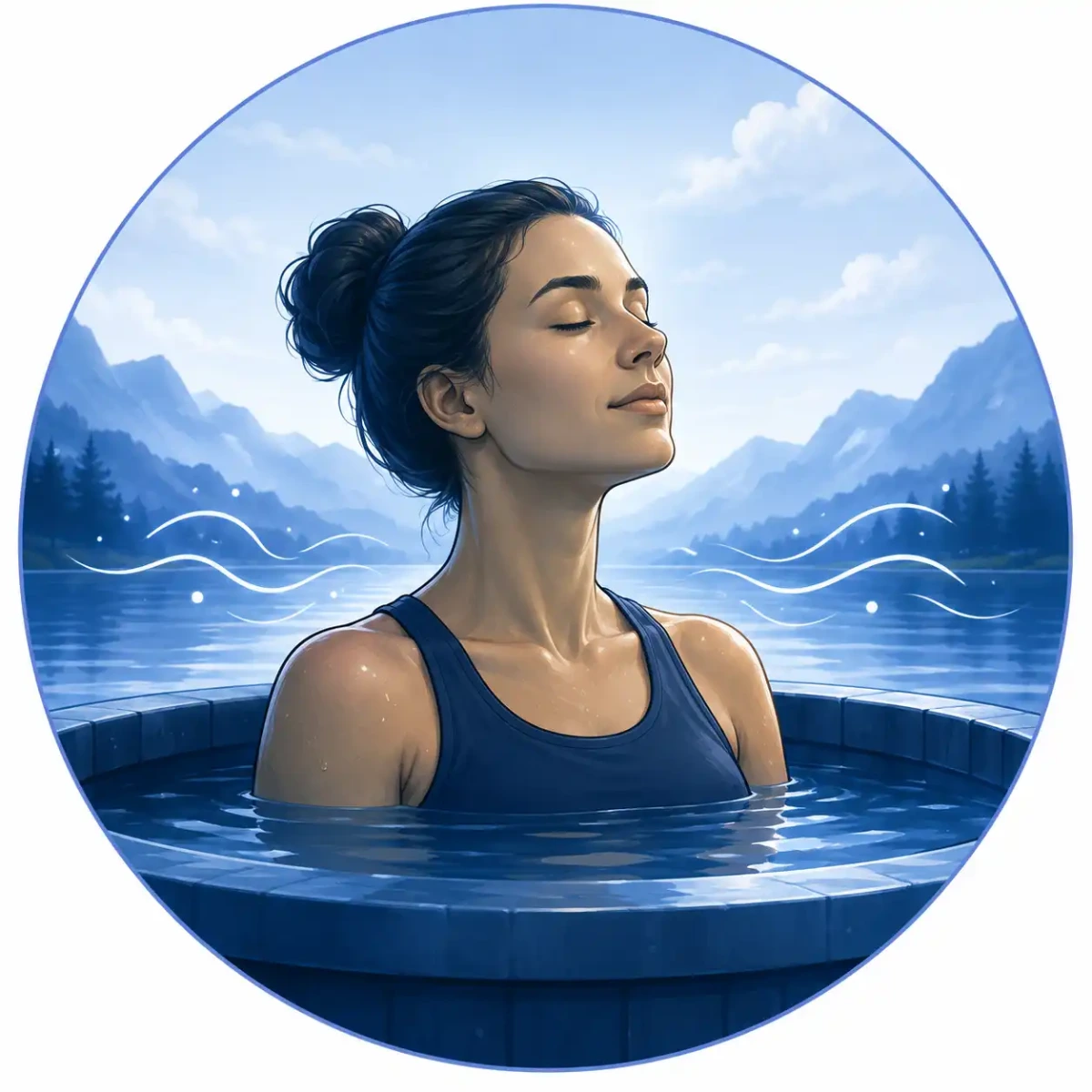
Improved Focus
Cold exposure naturally encourages present-moment
awareness, helping reduce distractions and sharpen
concentration.
Reduced Stress
Practicing calm, controlled breathing during cold
exposure may help improve the body's response to
everyday stress.

Mental Clarity
Many people report feeling more alert, mentally
refreshed, and clear-headed after completing a
cold plunge session.

Improved Mood
Regular cold exposure has been associated with
improvements in mood, energy levels, and overall
emotional well-being.

Greater Resilience
Learning to remain calm during controlled discomfort
may help build resilience that extends beyond the
wellness room.
The first few moments of cold exposure naturally demand complete attention. Breathing becomes the focus, outside distractions fade away, and the mind shifts into the present moment. As breathing steadies and the initial shock subsides, many people describe feeling calmer, more alert, and surprisingly energized.
Researchers believe this response is influenced by the activation of the sympathetic nervous system and the release of naturally occurring neurotransmitters involved in alertness, motivation, and mood. Although individual experiences vary, regular cold exposure has been associated with improvements in mood, stress resilience, and overall mental well-being.
Just as importantly, cold plunging teaches controlled adaptation to discomfort. Remaining calm while experiencing brief, manageable stress may help strengthen mental resilience, encouraging a greater sense of confidence when facing everyday challenges outside the wellness room.
Long-Term Wellness
Researchers continue to explore how regular cold exposure may influence long-term health beyond exercise recovery.

Brown Fat Activation
Cold exposure may activate brown adipose tissue,
which helps generate heat by burning calories.

Cardiovascular Health
Repeated cold exposure is being studied for its
potential role in supporting healthy circulation
and cardiovascular function.
Better Sleep
Many people report deeper, more restorative sleep
after incorporating regular cold plunges into their
wellness routine.

Stress Adaptation & Immune Support
Ongoing research is exploring how repeated cold
exposure may strengthen the body's ability to adapt
to stress while supporting healthy immune function.
One area receiving significant attention is brown adipose tissue, commonly known as brown fat. Unlike white fat, which primarily stores energy, brown fat helps generate heat by burning calories. Cold exposure may activate this tissue, leading researchers to investigate its potential role in supporting metabolism, insulin sensitivity, and overall metabolic health.
Scientists are also studying how repeated cold exposure may influence cardiovascular function, sleep quality, immune response, and the body's ability to adapt to stress over time. While many of these findings are promising, the evidence is still developing, and additional long-term research is needed before definitive conclusions can be made.
Perhaps the most important takeaway is that cold plunges are not intended to replace the fundamentals of good health. Instead, they may serve as a valuable complement to an already healthy lifestyle—one that emphasizes regular exercise, balanced nutrition, restorative sleep, and effective stress management.
When combined with sauna bathing as part of a contrast therapy routine, many people find that these complementary practices become easier to maintain consistently, creating daily habits that support both physical and mental well-being over the long term.
Creating a Home Wellness Ritual
The greatest benefits of contrast therapy don't come from a single sauna session or one cold plunge. Like most healthy habits, the value comes from consistency. Creating a simple wellness ritual that fits naturally into your routine makes it easier to experience the physical and mental benefits over time.
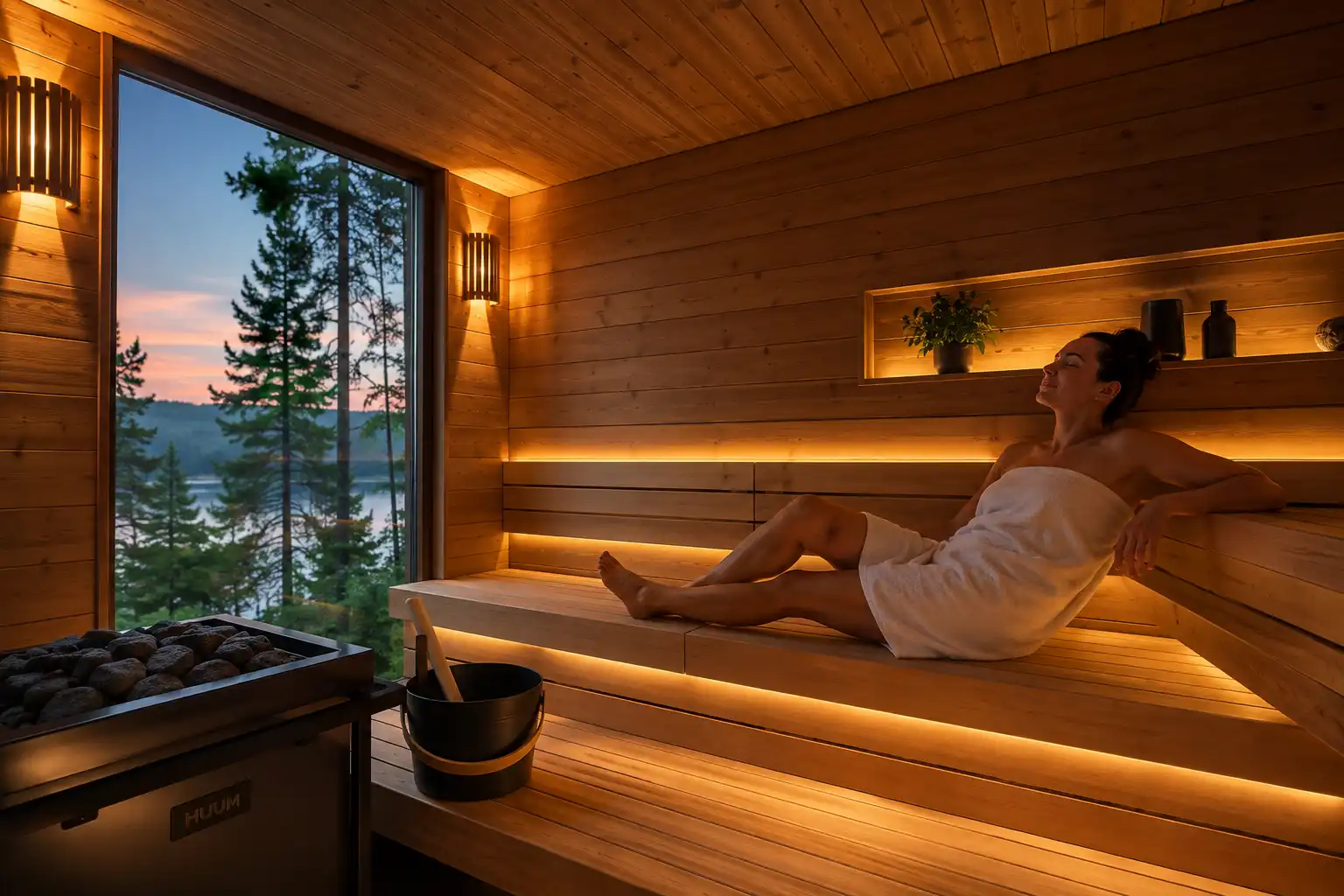
A custom sauna creates a comfortable, calming environment where heat helps relax muscles, increase circulation, and prepare the body for the next phase of contrast therapy.
For some people, that ritual begins after an early morning workout. For others, it's a way to unwind after a demanding day at work or create a peaceful transition into the evening. There is no single "right" time to practice contrast therapy. The best routine is one that complements your lifestyle and encourages you to return to it regularly.
A Simple Contrast Therapy Routine
A typical session might begin with ten (10) to twenty (20) minutes in a sauna, allowing your body to warm gradually while your muscles relax and your breathing slows. After leaving the sauna, many people pause briefly to cool slightly before entering a cold plunge for one (1) to three (3) minutes, depending on their experience and comfort level.
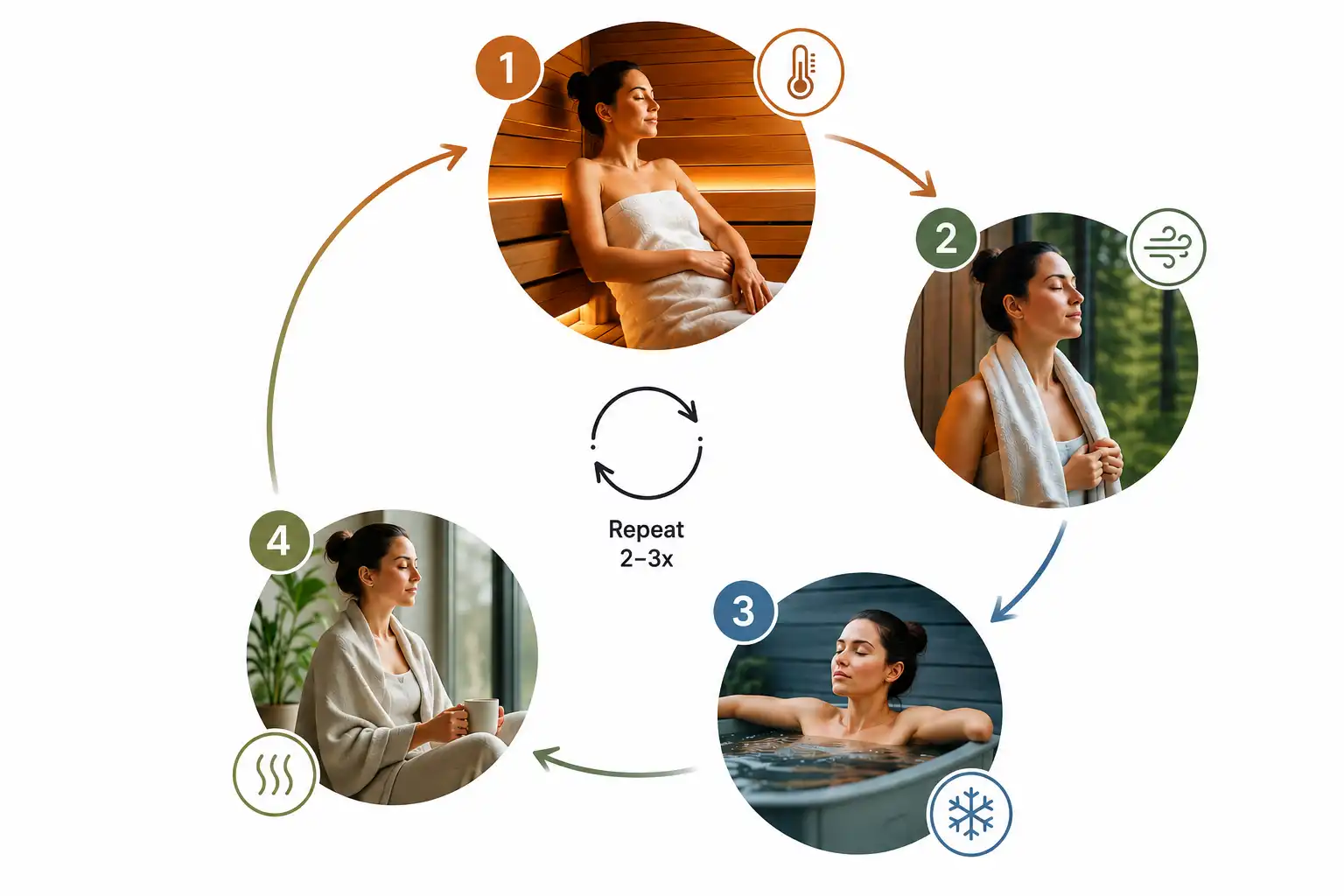
A simple contrast therapy routine alternates heat, cooling, cold immersion, and recovery. The cycle can be repeated two or three times, with each phase helping the body adapt while leaving you feeling refreshed and balanced.
Once out of the water, allow your body to warm naturally. Some people choose to repeat the cycle two (2) or three (3) times, while others are perfectly satisfied with a single round. The goal isn't to endure extreme temperatures or compete for longer sessions—it's to create a routine that leaves you feeling refreshed, balanced, and energized.
Consistency Matters More Than Intensity
One of the most common misconceptions about cold plunging is that colder water and longer sessions automatically produce better results. In reality, research suggests that moderate, consistent practice is generally more beneficial than pushing your body to extremes.
Many experienced users maintain water temperatures between 50°F and 59°F (10°C to 15°C) and limit their cold exposure to just a few minutes. These sessions are long enough to stimulate the body's natural responses while remaining practical and comfortable for regular use.
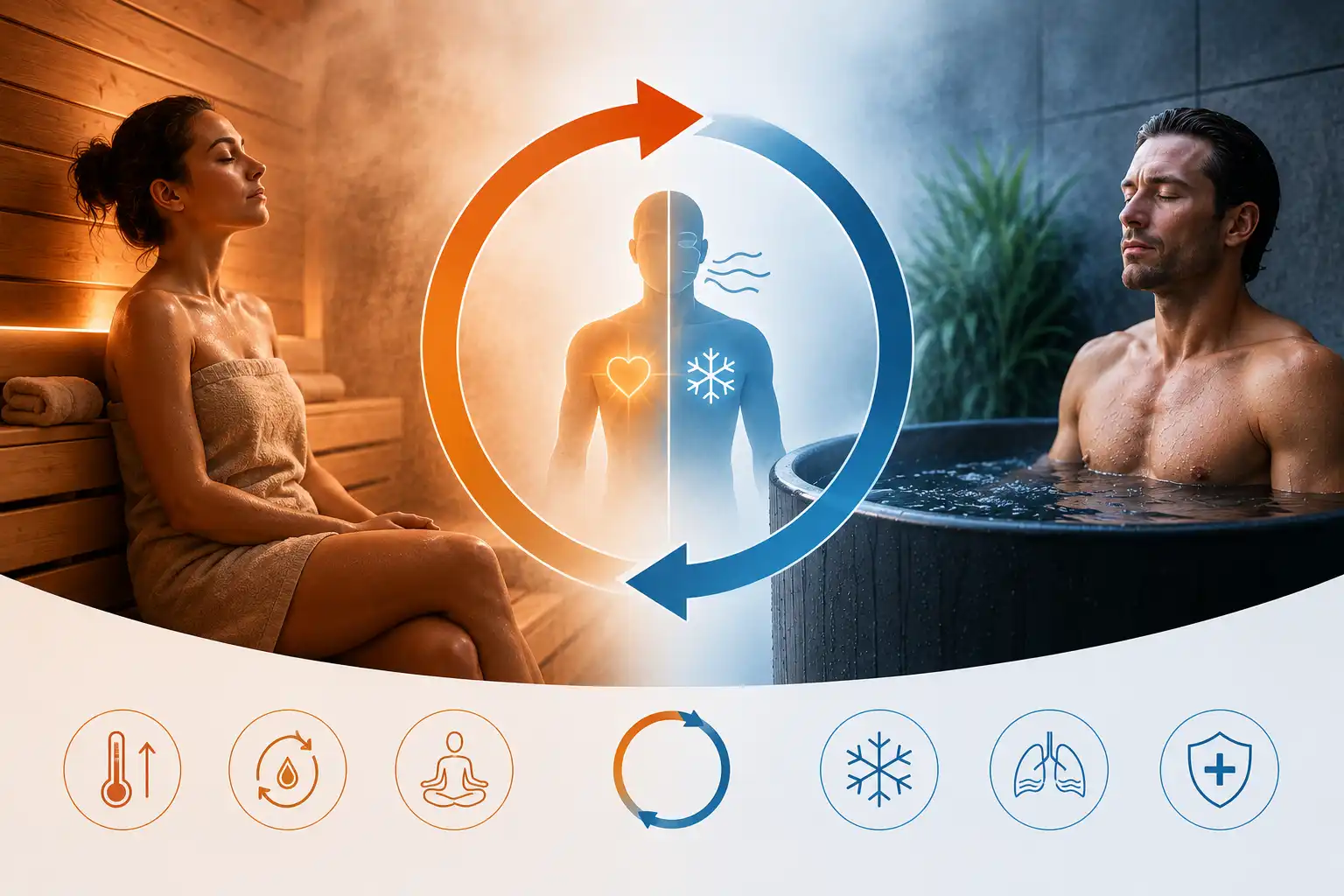
The greatest benefits of contrast therapy come from practicing it consistently rather than chasing extreme temperatures or longer sessions. A comfortable, repeatable routine allows your body to adapt over time while supporting recovery, circulation, and overall well-being.
If you're just getting started, begin gradually. A brief cold shower or a short cold plunge once or twice each week allows your body to adapt over time. As your comfort and confidence grow, you can slowly increase either the duration or the frequency of your sessions.
Make Recovery an Enjoyable Experience
Imagine wrapping yourself in a warm robe, sipping herbal tea, listening to calming music, or spending a few quiet moments relaxing after your session helps transform contrast therapy from a recovery technique into a meaningful daily ritual.
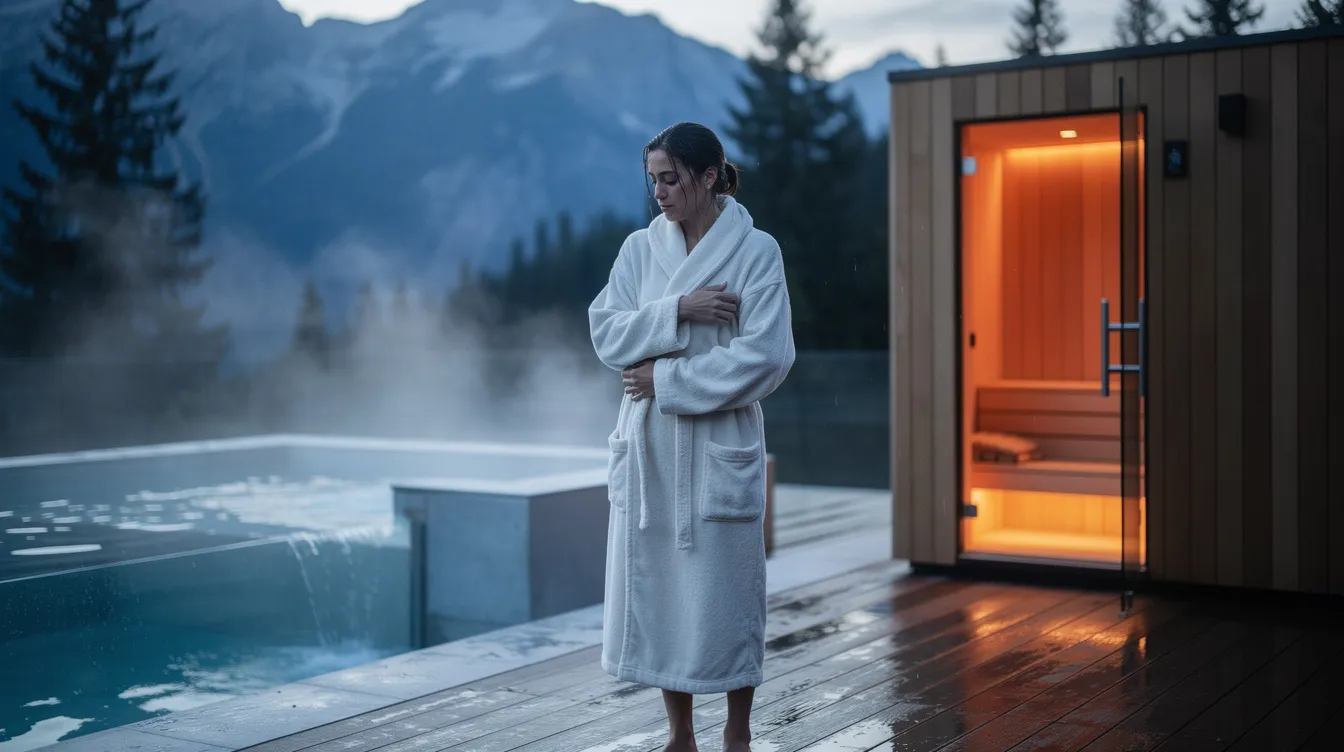
After a cold plunge, give your body a few moments to warm naturally before beginning another round or ending your session. This recovery period is an important part of the ritual, allowing your breathing, circulation, and nervous system to gradually return toward balance.
Rather than viewing wellness as another task to complete, these simple habits create space to slow down, disconnect from distractions, and focus on your physical and mental well-being. Over time, that consistency often becomes more valuable than the individual sauna session or cold plunge itself.
As more homeowners embrace wellness as part of everyday living, they're also rethinking how these experiences fit within their homes. A thoughtfully designed space doesn't simply accommodate a sauna and cold plunge—it encourages you to use them consistently by making every step of the experience comfortable, convenient, and inviting.
Designing the Ideal Home Wellness Space
A thoughtfully designed home wellness space is about much more than choosing a sauna or cold plunge. The most successful projects begin by understanding how the space will be used, then designing every element to support that experience. Layout, lighting, materials, and the relationship between each feature all play an important role in creating a space that feels both functional and restorative.
At Vintage Cellars, we've learned that no two wellness spaces are exactly alike. Every home has its own architectural character, available space, and construction considerations. Whether designing a dedicated wellness room, enhancing a home gym, or creating a backyard retreat, the most successful projects are tailored to the homeowner's lifestyle rather than following a one-size-fits-all approach.
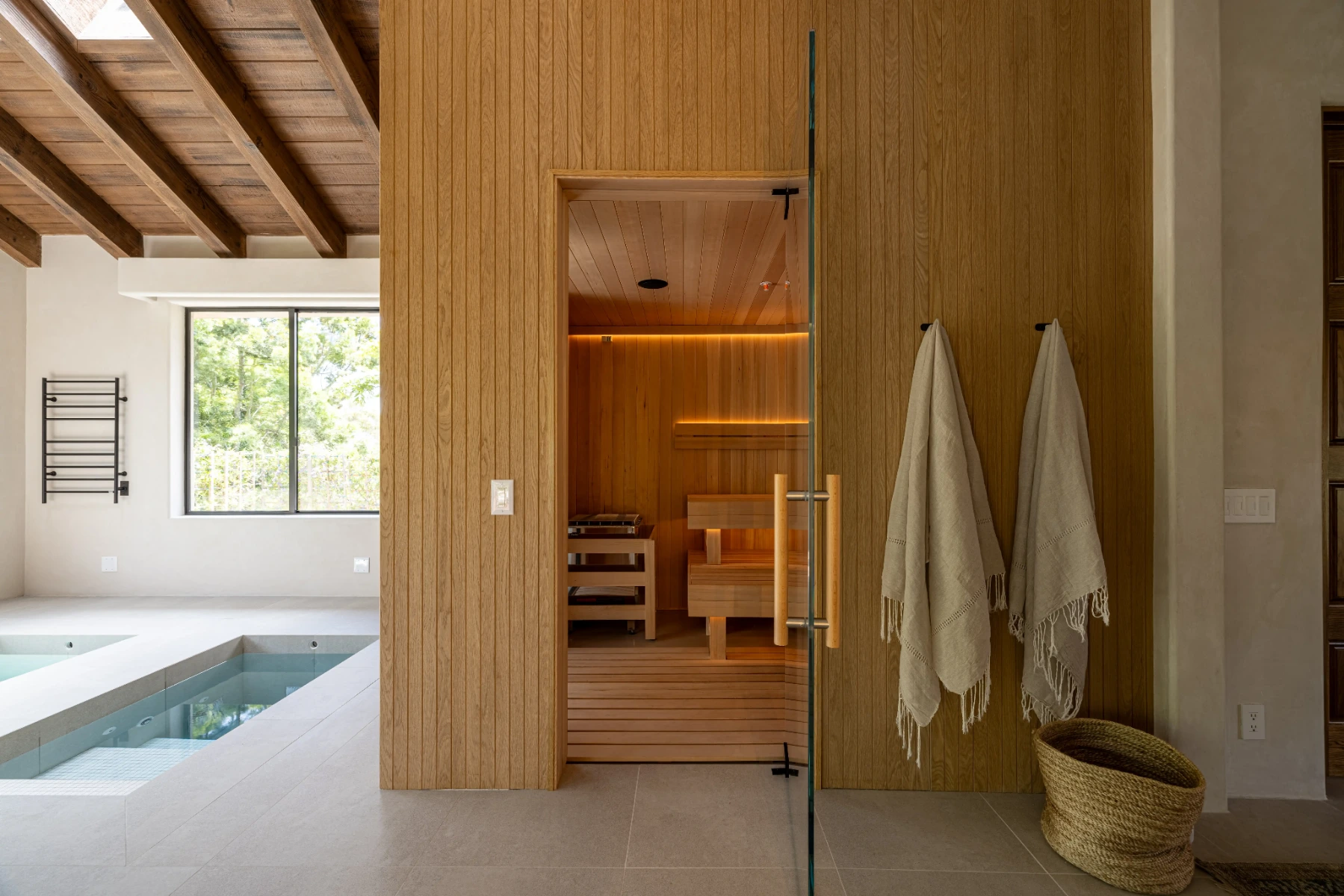
A thoughtfully designed home wellness space makes it easier to turn contrast therapy into a lasting habit. With a sauna, cold plunge, and comfortable recovery area just steps apart, each session becomes a simple ritual that supports relaxation, recovery, and long-term well-being.
Design Around the Way You Live
One of the first questions we ask isn't, "Where should the sauna go?" It's "How do you want to use the space?"
Some homeowners envision a recovery area after strength training or cycling. Others want a peaceful retreat to begin the morning or unwind after work. Families often prioritize flexibility, while outdoor wellness spaces may focus on privacy, views, and connection with nature.
Once those goals are understood, the layout becomes much more intuitive. Positioning the sauna, cold plunge, shower, and relaxation area in a natural sequence creates a comfortable flow that encourages regular use and makes every session feel effortless.
Choose Materials That Promote Comfort and Durability
The materials you select should balance aesthetics with performance.
Natural wood brings warmth and complements the calming atmosphere of a wellness space. Stone, porcelain tile, and other moisture-resistant surfaces provide durability while helping maintain a clean, sophisticated appearance. Slip-resistant flooring is especially important around cold plunges and showers to improve safety when surfaces become wet.
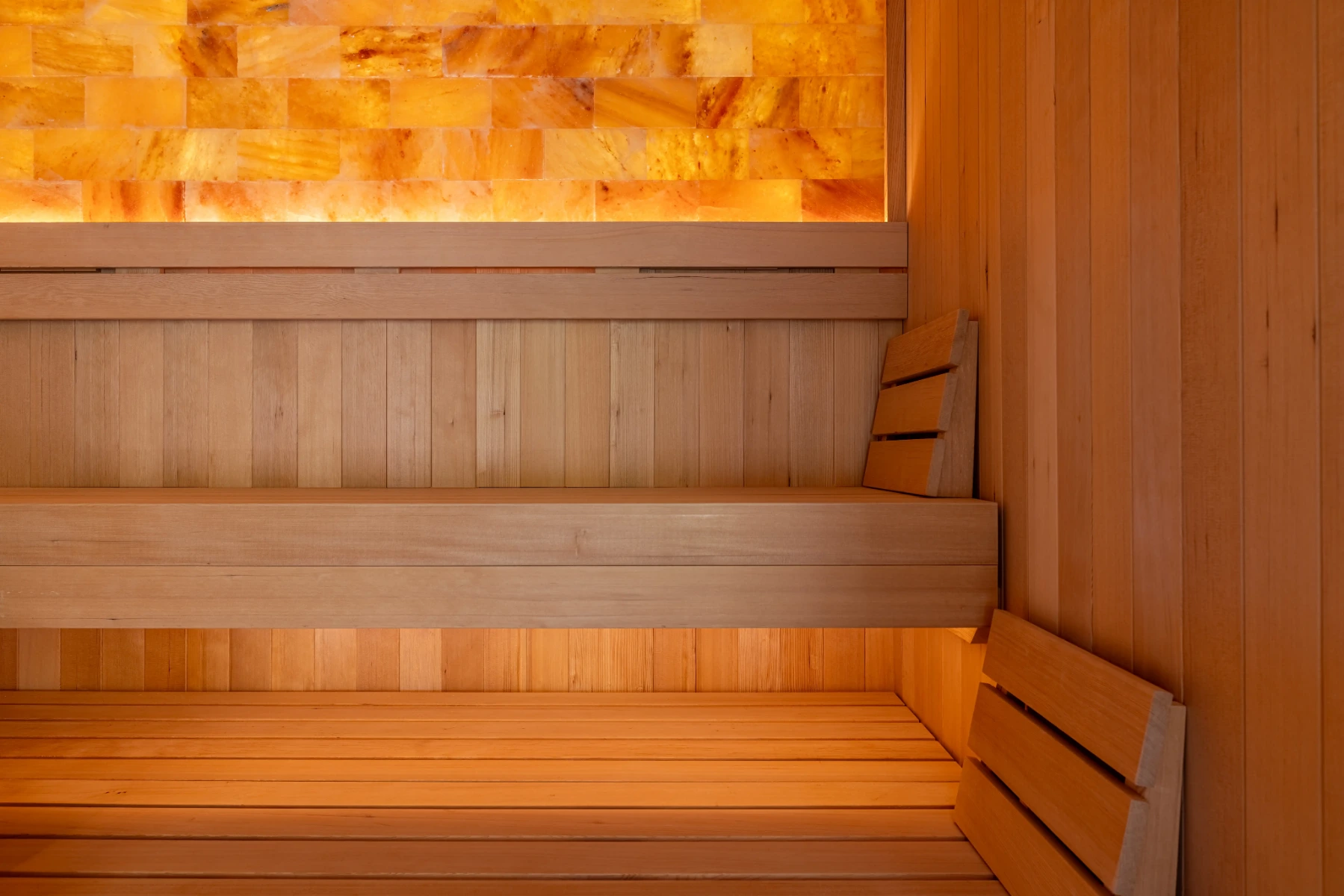
Every detail of a well-crafted sauna contributes to the experience. Natural wood benches provide comfort and durability, while features like a Himalayan salt wall add warmth and visual appeal, creating a relaxing space you'll enjoy using for years to come.
Soft, indirect lighting also contributes to the overall experience. Rather than relying on bright overhead fixtures, many homeowners prefer dimmable lighting that creates a relaxing atmosphere during evening sessions while still providing adequate visibility for safe movement throughout the space.
Because every custom sauna is unique, the materials and components should complement both the design of the home and the intended wellness experience. Everything from the heater and sauna door to bench layouts, lighting, ventilation, and specialty features such as Himalayan salt walls contributes to the overall atmosphere. When these elements are planned together rather than selected individually, the result is a wellness space that feels cohesive, performs reliably, and remains enjoyable for years to come.
Indoor or Outdoor Wellness Spaces
Both indoor and outdoor wellness areas offer unique advantages.
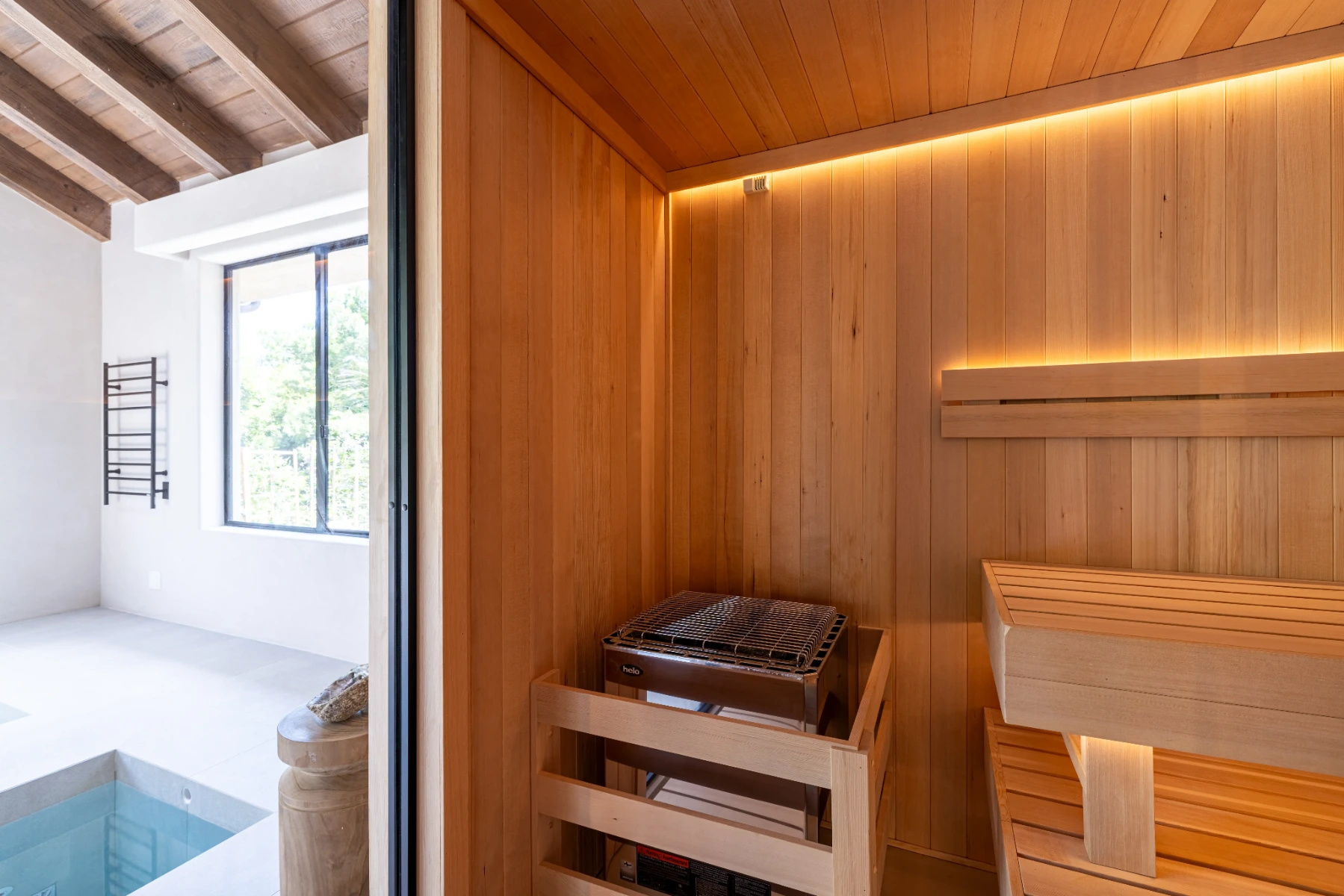
Locating the sauna and cold plunge just steps apart creates a smooth, uninterrupted wellness routine. This thoughtful layout minimizes transitions between heat and cold, making regular contrast therapy more comfortable, convenient, and enjoyable throughout the year.
Indoor installations provide privacy, year-round comfort, and convenient access regardless of the weather. They're often incorporated into home gyms, primary bathroom suites, basements, or dedicated wellness rooms where temperature and humidity can be more easily controlled.
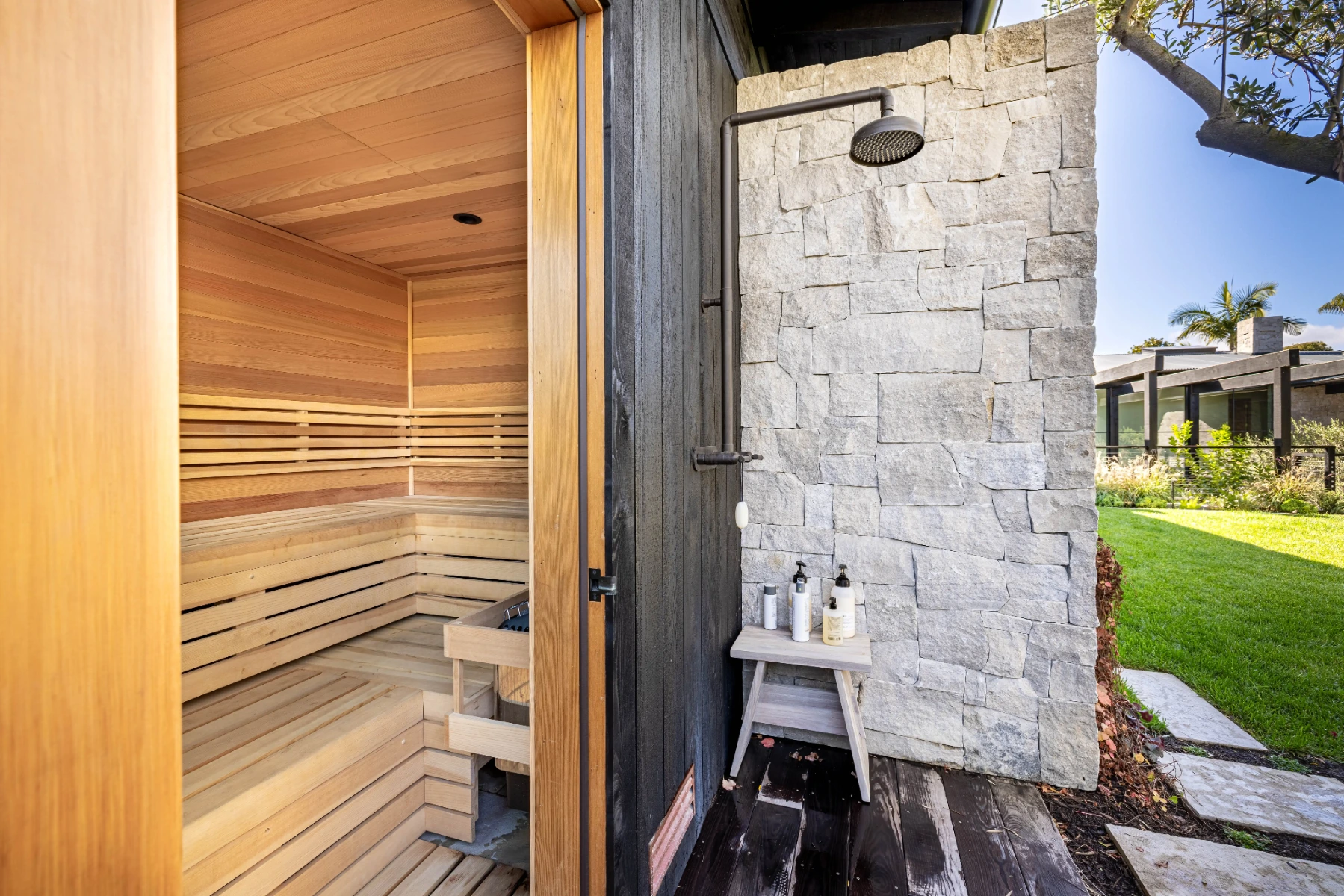
An outdoor shower is a practical addition to any home sauna, offering a refreshing way to cool down, rinse off, and transition comfortably between heat and cold. It also helps keep your wellness space clean while enhancing the overall spa-like experience.
Outdoor wellness spaces offer a different experience by connecting recovery with nature. Whether overlooking a garden, pool, or mountain view, an outdoor sauna and cold plunge can create a peaceful retreat that encourages relaxation and quiet reflection. Proper planning for drainage, weather protection, lighting, and safe walking surfaces helps ensure the space remains enjoyable throughout the year.
It's the Details That Create the Experience
After designing custom sauna projects across the country, we've found that the smallest details often have the greatest impact on how frequently a wellness space is used. When every element is considered, the result is more than a beautiful room. It becomes a space that naturally supports healthier routines and encourages homeowners to make wellness a lasting part of everyday life.
Whether you're planning a completely custom wellness retreat or incorporating a sauna into an existing space, thoughtful planning ensures the finished environment is as functional as it is beautiful. At Vintage Cellars, we've found that the most successful projects begin by understanding how homeowners want to use the space first, then designing every element to support that experience. Investing in the design process from the beginning helps create a wellness environment that will continue to support your lifestyle for years to come.
Frequently Asked Questions About Cold Plunges & Contrast Therapy
Is a cold plunge the same as an ice bath?
Not exactly. Both involve cold water immersion, but a cold plunge is typically performed in a temperature-controlled tub that maintains a consistent water temperature—usually between 50°F and 59°F (10°C to 15°C). Ice baths often rely on bags of ice, making the water temperature less predictable and more difficult to maintain. For most homeowners, a dedicated cold plunge provides a more comfortable, repeatable, and convenient experience.
What are the health benefits of cold plunging?
Research suggests that cold plunges may help support muscle recovery, reduce post-exercise soreness, improve circulation, enhance mental alertness, and increase stress resilience. Emerging research is also exploring potential benefits related to metabolism, cardiovascular health, sleep quality, and overall well-being. While promising, cold plunges should be viewed as one part of a healthy lifestyle rather than a replacement for regular exercise, proper nutrition, or quality sleep.
Should I use the sauna before or after a cold plunge?
Most people begin with the sauna and finish with the cold plunge. Warming the body first often makes the transition into cold water more comfortable while creating the classic contrast therapy experience. Some people repeat the cycle several times, while others prefer a single round. The best approach is the one that leaves you feeling refreshed, relaxed, and energized.
How cold should a cold plunge be?
Beginners often find 55°F to 60°F (13°C to 16°C) to be a comfortable starting point. More experienced users may gradually lower the temperature into the 50°F to 55°F (10°C to 13°C) range. Extremely cold water isn't necessary for most people, and colder temperatures don't automatically provide greater benefits.
How long should I stay in a cold plunge?
If you're new to cold plunging, start with 30 to 60 seconds and gradually increase your time as your comfort level improves. Many experienced users find that two to three minutes provides an effective balance between recovery and comfort. Longer sessions generally aren't necessary for most wellness routines.
Can I use a cold plunge every day?
Some people enjoy daily cold plunges, while others use them just a few times each week. The ideal frequency depends on your fitness level, recovery goals, and how your body responds. Consistency is generally more important than frequency, and many people experience excellent results with two to four sessions per week.
Can I use a cold plunge without a sauna?
Absolutely. Cold plunges provide many potential benefits on their own and can be incorporated into a wellness routine without a sauna. However, many homeowners enjoy pairing the two because alternating between heat and cold creates the balanced recovery experience known as contrast therapy.
Are cold plunges safe for everyone?
Cold plunges are appropriate for many healthy adults, but they aren't recommended for everyone. Individuals with cardiovascular disease, uncontrolled high blood pressure, certain heart rhythm disorders, Raynaud's disease, or other medical conditions should consult their healthcare provider before beginning cold water immersion. If you experience chest pain, dizziness, difficulty breathing, or feel unwell during a session, exit the water immediately.
Can cold plunges help with weight loss?
Cold exposure activates brown adipose tissue, commonly known as brown fat, which helps the body generate heat and burn calories. Researchers continue to study how this process may influence metabolism and insulin sensitivity. While cold plunges may support a healthy lifestyle, they shouldn't be viewed as a primary weight-loss strategy. Regular exercise, balanced nutrition, and healthy sleep habits remain the foundation of long-term weight management.
How do I create a home wellness space with a sauna and cold plunge?
The most successful wellness spaces are designed around the experience, not just the equipment. Positioning a sauna, cold plunge, shower, and comfortable seating area within easy reach creates a natural flow that encourages consistent use. Features such as slip-resistant flooring, warm lighting, towel storage, and natural materials further enhance comfort while making the space feel like a relaxing retreat rather than simply another room in the house.






.png)